

Quick Answer
Planning seasonal limited drinks comes down to: (1) set a goal (buzz, higher ticket or off-peak sales) → (2) pick a seasonal theme → (3) build variations from existing ingredients and equipment → (4) test and write the SOP → (5) estimate sales and stock → (6) set launch and end dates. Summer favorites are fruit teas, smoothies and iced desserts; winter favorites are hot drinks such as hot milk tea, brown sugar, taro and red bean. New drinks should reuse current ingredients and add only 1–2 new ones, and fruit syrups, jams or canned fruit reduce the risk of fresh fruit seasons and price swings; plan where leftover ingredients go after the promotion ends.
6 Steps to Plan a Seasonal Drink
- Set the goal: buzz, a higher average ticket, or off-peak sales.
- Pick a theme: based on season, holidays and target customers.
- Plan ingredients: combine existing ingredients and limit new ones to 1–2.
- Test and write the SOP: fix the recipe, portions and steps; see Bubble Tea Shop SOPs and Staff Training.
- Cost and price: calculate cost per cup and margin; see How to Calculate Bubble Tea Shop Profit Margin.
- Stock and schedule: estimate sales, set the selling period and plan uses for leftovers.
Common Themes by Season
| Season | Common themes | Ingredients to use |
|---|---|---|
| Spring | Floral teas, berries | Jasmine green tea, berry syrups, jams |
| Summer | Fruit teas, smoothies, iced desserts | Fruit syrups, canned fruit, smoothie powder, aiyu jelly, grass jelly |
| Autumn | Oolong, roasted teas, taro | Charcoal-roasted oolong, Tieguanyin, taro powder, taro balls |
| Winter | Hot milk tea, brown sugar, sweet soup flavors | Brown sugar syrup, canned red bean, mochi, masala chai powder |
These are common directions only; adjust to local climate and market. Overseas seasons and holidays may differ from Taiwan’s; for example, summer in the Southern Hemisphere runs from December to February.
Fresh Fruit, Syrups, Jams or Canned Fruit?
| Ingredient | Pros | Watch out for |
|---|---|---|
| Fresh fruit | Strong freshness, good for headline drinks | Seasonal and price swings, labor to prepare |
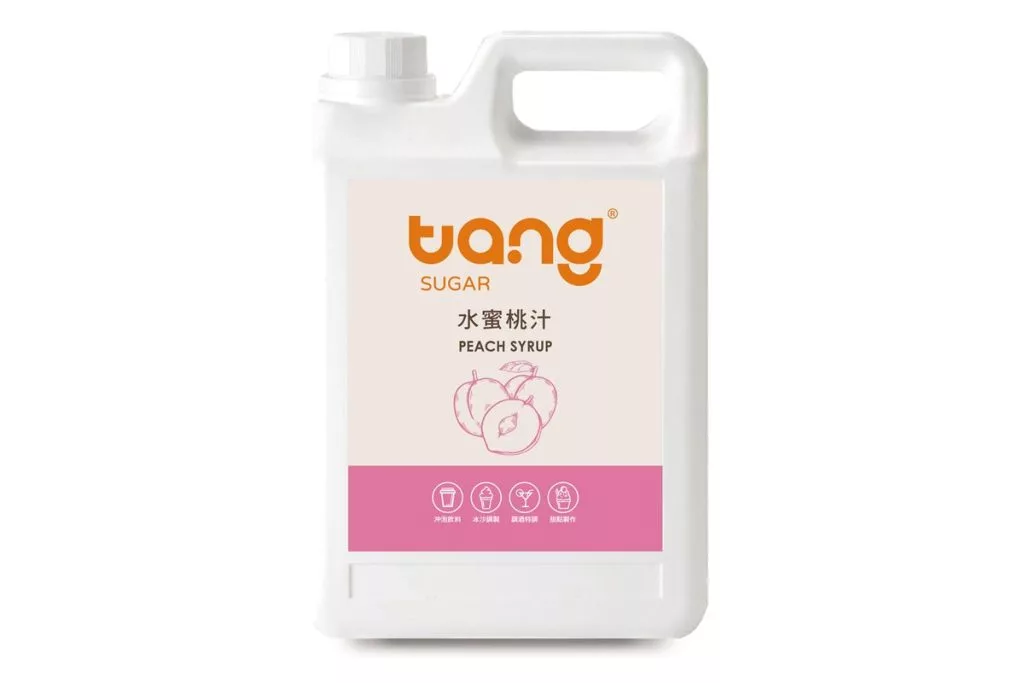
| Fruit syrups | Stable flavor, year-round supply, easy to use | Count their sugar in the recipe; see Fruit Syrup Dosage Guide |
| Fruit jams (with pulp) | Real fruit bits | Store as labeled; see How to Use Fruit Jams in Drinks |
| Canned fruit | Year-round, no cutting | Packed in syrup; see How to Use Canned Fruit in Drinks |
Many shops combine “fresh fruit + syrup” or “canned fruit + syrup” for both texture and consistency.
Stocking Tips
- Test small first: trial in some stores or for a short period before committing stock.
- Shelf life: make sure ingredients last through the selling period and the use of leftovers.
- Lead times: overseas stores importing from Taiwan must allow for production, ocean freight and clearance; see Air Freight vs Sea Freight.
- Leftovers: after the promotion, move them into regular items or use them as toppings in other drinks.
How Tang Sugar Can Help
Tang Sugar supplies more than 20 fruit syrup flavors, jams, canned fruit, smoothie powders and toppings that can ship in one consolidated container; our tea shop opening services also include advice on seasonal products and sales strategy. Contact us or request samples.
Products in this article
All 12 Syrups →
FAQ
How should a bubble tea shop plan seasonal drinks?
Set a goal, pick a seasonal theme, build variations from existing ingredients, test and write the SOP, calculate cost and stock, then set launch and end dates.
What bubble tea drinks sell well in summer?
Fruit teas, smoothies and iced desserts, using fruit syrups, canned fruit, smoothie powder, aiyu jelly and grass jelly.
What bubble tea drinks sell well in winter?
Hot milk tea, brown sugar drinks and hot drinks with toppings such as red bean, taro and mochi.
Should seasonal drinks use fresh fruit or syrup?
Fresh fruit feels fresher but depends on season and price; fruit syrups are consistent and available year-round. Many shops combine fresh fruit with syrup to get both.

