

Quick Answer
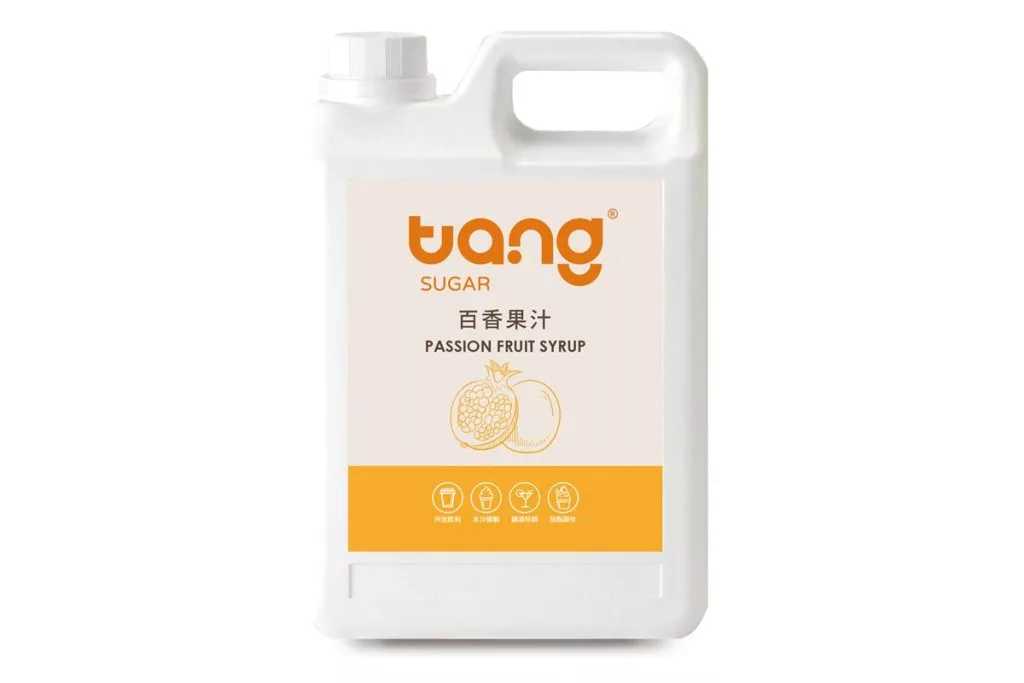
Bubble tea fruit tea has 4 common methods: (1) fruit syrup (stable sweet-tart flavor, easy to dose), (2) fruit jam with pulp (real fruit bits), (3) canned fruit (year-round, whole pieces), and (4) fresh fruit (best aroma but seasonal). In practice, shops often use syrup as the base and add jam, canned fruit or fresh slices for texture and looks. Watch the naming too: in Taiwan, chains’ freshly made drinks with over 10% fruit or vegetable juice may be called “X juice”, under 10% “X drink”, and with no juice must be called “X flavor”.
The 4 Methods Compared
| Method | Pros | Watch out for | Best for |
|---|---|---|---|
| Fruit syrup | Stable sweet-tartness, easy dosing, fast service | Depends on the syrup formula | The base |
| Fruit jam with pulp | Fruit bits, attractive color | Fix the amount | Add-ons, highlighting fruit pieces |
| Canned fruit | Year-round, whole fruit pieces | Storage after opening | Mango, peach, lychee, pineapple |
| Fresh fruit | Natural aroma, great looks | Seasonal price swings, prep time | Premium drinks |
Pairing Tea Bases
| Tea base | Fruits that suit it |
|---|---|
| Jasmine green tea | Lemon, passion fruit, yogurt |
| Four Seasons Spring | Orange, grapefruit, passion fruit |
| Black tea (Ceylon, Assam) | Lemon, peach, lychee |
| Oolong | Peach, lychee |
For the teas, see What Is Four Seasons Spring Tea? and What Is Jasmine Green Tea?
Dosage Concepts
Based on Tang Sugar’s fruit syrup steps: 150ml of tea and 30–75g of syrup for a 500ml cup; 200ml of tea and 40–100g of syrup for 700ml, depending on sweetness. When adding jam or fruit pieces, reduce the syrup to avoid over-sweetening. See the Fruit Syrup Dosage Guide.
Compliant Drink Names in Taiwan
Under the freshly made drink rules explained by the Ministry of Health and Welfare:
| Juice content | Name |
|---|---|
| Over 10% | May be called “X juice” |
| Under 10% | Called “X drink” |
| No juice | Called “X flavor” |
See Taiwan’s Bubble Tea Labeling Rules.
Popular Fruit Teas
- Lemon green tea: see How to Make Lemon Green Tea
- Passion fruit green tea: see How to Make Passion Fruit Green Tea
- Mango pomelo sago: see What Is Mango Pomelo Sago?
- Winter melon lemonade: see How to Make Winter Melon Lemonade
Ingredients from Tang Sugar
Tang Sugar offers more than 20 fruit syrup flavors (lemon, orange, passion fruit, mango, peach, lychee, grape, strawberry, red grapefruit, pineapple, guava and more), several fruit jams (mango, strawberry, passion fruit, pineapple, red grapefruit, rose) and canned fruit (mango, peach, lychee, pineapple, passion fruit, pomelo in syrup). Request samples.
Products in this article
All 12 Syrups →
FAQ
Is fruit tea better with syrup or fresh fruit?
Syrup is consistent and easy to dose; fresh fruit smells better but is seasonal. Many shops use syrup as the base and add fresh slices or jam.
What tea is used for fruit tea?
Commonly jasmine green tea and Four Seasons Spring, as well as black tea and oolong, matched to the fruit.
Can a fruit tea be called “juice” in Taiwan?
Only with over 10% fruit or vegetable juice; under 10% it’s “X drink”, and with no juice “X flavor”.
If I add jam, do I still need syrup?
You can, but reduce the syrup to avoid over-sweetening and fix the recipe.
Further Reading
- Fruit Syrup Dosage Guide
- What Is Mango Pomelo Sago?
- Taiwan’s Bubble Tea Labeling Rules
- How to Make a Matcha Latte
- What Is a Yogurt Drink?
Sources
- Ministry of Health and Welfare, Taiwan: How to read labels on freshly made drinks and packaged juices (in Chinese)
- Tang Sugar product data: Lemon Syrup product page (preparation steps)
- Tang Sugar product list (March 2026 edition)

