

Quick Answer
In Taiwan, freshly made drinks sold by chain beverage shops, chain convenience stores and chain fast-food outlets must, under the Ministry of Health and Welfare’s labeling rules for freshly made beverages, show: total sugar, total calories, total caffeine, and the country of origin of tea and coffee ingredients. Names also depend on juice content: over 10% fruit or vegetable juice may be called “X juice”, under 10% “X drink”, and with no juice “X flavor”. The information can be shown on cards, menu notes, labels, signs or QR codes.
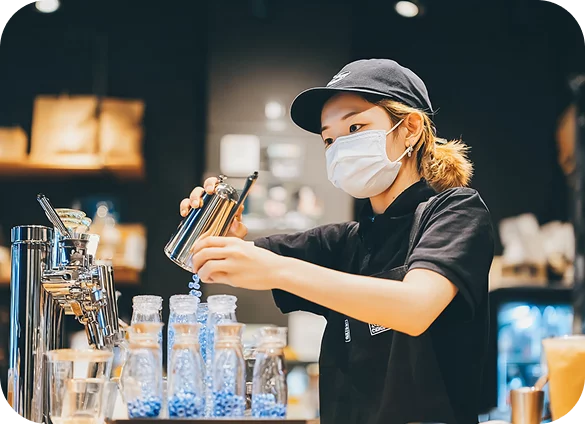
Who Must Label?
The rules apply to tax-registered chain beverage businesses, chain convenience stores and chain fast-food outlets (“chain operators”). Independent single stores are outside the scope of these rules but must still follow the general provisions of the Act Governing Food Safety and Sanitation; if you plan to grow into a chain, prepare labeling data in advance.
What Must Be Labeled?
According to the Ministry of Health and Welfare (August 2024):
| Item | Key rule |
|---|---|
| Total sugar | Total sugar per cup |
| Total calories | Total calories per cup |
| Total caffeine | Required for every freshly made drink containing caffeine (not just coffee) |
| Origin of tea and coffee | Country of origin of tea and coffee ingredients |
| Juice drink names | Over 10% juice: “X juice”; under 10%: “X drink”; no juice: “X flavor” |
How Is Caffeine Labeled?
Caffeinated freshly made drinks can show the maximum total caffeine per cup, marked “maximum”, or use a red, yellow and green system:
- Red: 201mg or more total caffeine per cup
- Yellow: 101–200mg
- Green: 100mg or less
Key 2023 Amendments
Amendments summarized by the Taichung City Food and Drug Administration (effective 1 January 2023):
- Wider caffeine labeling: not only coffee drinks, but every freshly made drink containing caffeine.
- Electronic labeling such as QR codes: a QR code must be accompanied by wording such as “scan here for labeling information”, and a device able to read it must be available on site.
- Font size: characters on menu notes and labels must be at least 0.2cm in height and width; other formats at least 1cm.
The tea origin and juice naming rules have applied since October 2020. Missing or false labeling is handled under the Act Governing Food Safety and Sanitation.
What Stores Need to Prepare
- Nutrition and ingredient data for each ingredient: get nutrition labels and ingredient lists for syrups, powders and toppings from suppliers.
- Standard recipes and portions: fixed amounts of tea, syrup and powder per cup are needed to calculate total sugar and calories; for example, the fruit syrup dosage guide quantifies syrup per cup in grams.
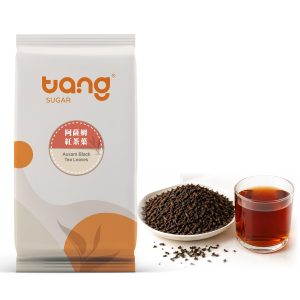
- Proof of tea and coffee origin: confirm the source country of tea with suppliers.
- Caffeine data: content of caffeinated ingredients such as tea, coffee and cocoa.
- Sweetness and ice charts: sugar differences between sweetness options.
How Tang Sugar Can Help
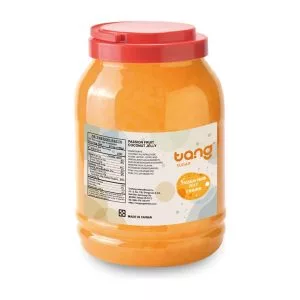
Tang Sugar’s product pages list specifications, shelf life and recommended dosage, and you can request product specifications, ingredients and tea origin information when buying to help prepare labels. If you’re planning a new store, see our tea shop opening services and How to Open a Bubble Tea Shop.
Products in this article
All 82 Bubble Tea & Boba Ingredients →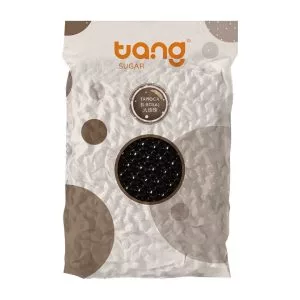
FAQ
Must bubble tea in Taiwan show sugar and calories?
Under Ministry of Health and Welfare rules, freshly made drinks from tax-registered chain beverage shops, convenience stores and fast-food outlets must show total sugar, total calories, total caffeine and the origin of tea and coffee.
What do the red, yellow and green caffeine labels mean?
Red means 201mg or more total caffeine per cup, yellow 101–200mg, and green 100mg or less; alternatively, stores can show the maximum value marked “maximum”.
What are the naming rules for juice drinks?
Over 10% fruit or vegetable juice may be labeled “X juice”, under 10% “X drink”, and with no juice “X flavor”.
Can labeling information be provided by QR code?
Yes. Since 2023, QR codes and other electronic formats are allowed, with wording such as “scan here for labeling information” next to the code and a reading device available on site.
Further Reading
- What Is Winter Melon Tea? Does It Contain Caffeine?
- How to Open a Bubble Tea Shop
- Bubble Tea Market Trends
- The Less-Sugar Bubble Tea Trend
Sources
- Ministry of Health and Welfare, Taiwan (2024-08-14): How to read labels on freshly made drinks and packaged juices (in Chinese)
- Taichung City Food and Drug Administration: Labeling rules for freshly made drinks at chain beverage shops, convenience stores and fast-food outlets (effective 2023-01-01) (in Chinese)
- Rootlaw: Labeling rules for freshly made drinks (full text) (in Chinese)

