

Quick Answer
A bubble tea shop’s gross margin = (selling price − ingredient cost per cup) ÷ selling price. The key is counting the full cost per cup: tea leaves or bags, syrup or fructose, creamer or fresh milk, toppings (tapioca pearls, nata de coco, etc.), cup, lid, straw, sealing film, and waste (spoiled pearls, expired tea). Gross margin is only the first step; net profit comes after rent, staff, utilities, marketing and delivery platform commissions. The most effective ways to raise margin are fixed recipe portions, less waste, a better menu mix and better purchase terms.

How to Calculate Cost per Cup
| Cost item | How to calculate |
|---|---|
| Tea leaves / tea bags | Tea cost per batch ÷ cups per batch |
| Syrup | Cost per bottle ÷ cups per bottle |
| Creamer / fresh milk | Amount per cup × unit cost |
| Toppings | Portion per cup × unit cost |
| Packaging | Cup + lid or film + straw |
| Waste | Spread according to actual waste rate |
Worked Example: Syrup Cost per Cup
Using Tang Sugar’s fruit syrup dosage chart (60g at full sweetness for a 500ml cup): a 2.5kg bottle makes about 41 cups. If a bottle costs A, syrup cost per cup is about A ÷ 41. Convert other ingredients the same way and add them up for the ingredient cost per cup. See the Fruit Syrup Dosage Guide.
Worked Example: Gross Margin (Hypothetical Numbers)
Note: hypothetical values to illustrate the formula.
| Item | Amount (NT$) |
|---|---|
| Selling price | 60 |
| Ingredient cost per cup (incl. packaging and waste) | 18 |
| Gross profit per cup | 42 |
| Gross margin | 42 ÷ 60 = 70% |
Gross Profit vs Net Profit
Gross profit deducts only ingredient costs; net profit also deducts rent, staff, utilities, equipment depreciation, marketing, delivery platform commissions and taxes. A high gross margin doesn’t guarantee a profit, so model both before opening; see How to Open a Bubble Tea Shop.
6 Ways to Improve Gross Margin
- Fix recipe portions: weigh syrups and powders so staff don’t over-pour by feel.
- Cut waste: cook pearls in batches and time-label tea; see How to Store Tapioca Pearls.
- Optimize the menu mix: promote popular, high-margin drinks; see Bubble Tea Menu Design.
- Charge for add-ons: toppings and milk foam raise the average ticket.
- Review purchase terms: compare total cost (including freight and waste), not just unit price.
- Choose the right ingredient format: for example, ready syrup instead of cooking your own, or frozen instead of raw pearls; weigh it against labor cost.
How Tang Sugar Can Help
Tang Sugar’s product pages list specifications and recommended dosages so stores can work out cost per cup; our tea shop opening services also cover quality and cost management, balancing product quality, margin structure and competitiveness. Contact us.
Products in this article
All 12 Syrups →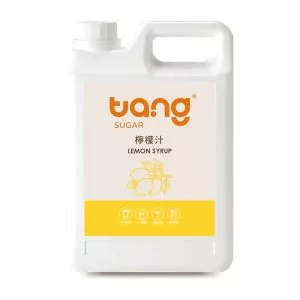
FAQ
How do you calculate a bubble tea shop’s gross margin?
Gross margin = (price − ingredient cost per cup) ÷ price, with cost per cup including ingredients, packaging and waste.
What goes into the cost of a cup of bubble tea?
Tea leaves or bags, syrup, creamer or fresh milk, toppings, cup, lid, straw and sealing film, plus waste.
Does a high gross margin mean the shop is profitable?
Not necessarily. Net profit also deducts rent, staff, utilities, marketing, platform commissions and taxes.
How can a bubble tea shop improve its margin?
Fix recipe portions, cut waste, optimize the menu, charge for add-ons, review purchase terms and choose the right ingredient formats.
Further Reading
Sources
- Tang Sugar product data: Lemon Syrup product page (drink preparation and syrup dosage)
- Tang Sugar: Tea Shop Opening Services

