

Quick Answer
A bubble tea menu should be easy to choose from, easy to make and profitable: (1) clear categories (pure tea, milk tea, fresh milk, fruit tea, signature drinks), (2) focused core drinks, (3) shared ingredients to cut inventory and waste, and (4) paid toppings to raise the average ticket. Menu engineering, proposed in 1982 by Michael L. Kasavana and Donald I. Smith, is a method of designing menus to increase restaurant profitability; in practice, items are reviewed by sales volume and margin per cup to decide what to promote, adjust or drop.

Common Menu Categories
| Category | Typical drinks | Main ingredients |
|---|---|---|
| Pure tea | Black tea, green tea, Four Seasons Spring, oolong | Tea leaves |
| Milk tea | Pearl milk tea, Earl Grey milk tea, oolong milk tea | Tea, creamer or fresh milk, tapioca pearls |
| Fresh milk series | Brown sugar pearl milk, Ruby Black fresh milk tea | Fresh milk, brown sugar syrup |
| Fruit tea | Lemon green tea, passion fruit green tea, Yakult green tea | Tea, fruit syrups |
| Milk foam series | Milk foam black tea, milk foam Four Seasons Spring | Milk foam powder |
| Seasonal specials | Mango pomelo sago, winter hot drinks | Varies by season |
Share Ingredients to Cut Inventory and Waste
When designing the menu, list the ingredients each drink uses and let as many drinks as possible share them. For example:
- One jasmine green tea → lemon green tea, passion fruit green tea, Yakult green tea, jasmine milk green tea
- One brown sugar syrup → brown sugar pearls, brown sugar fresh milk, brown sugar milk tea
- One Assam black tea → black tea, milk tea, lemon black tea
The more concentrated your ingredient list, the simpler the prep and the easier it is to control cost; see How to Calculate Bubble Tea Shop Profit Margin.
Review Items by Volume and Margin
Regularly compile each drink’s sales volume and margin per cup, and sort them into four groups:
| Type | Volume | Margin | Action |
|---|---|---|---|
| Signature | High | High | Feature prominently and protect quality |
| Popular | High | Low | Review recipe and purchase cost, or adjust price slightly |
| Potential | Low | High | Recommend more, improve naming and descriptions |
| Under review | Low | Low | Consider dropping or reworking |
Other Menu Design Tips
- Don’t offer too many items: more items mean more complex prep and training; test new drinks as seasonal specials.
- Clear sweetness and ice options: map each sweetness level to a fixed amount of sugar; see Fructose vs Cane Sugar Syrup.
- Labeling compliance: chains in Taiwan must show sugar, calories, caffeine and tea origin; see Taiwan’s Bubble Tea Labeling Rules.
- Paid toppings: tapioca pearls, nata de coco, milk foam, pudding and more; see Bubble Tea Toppings Compared.
- Seasonal planning: see How to Plan Seasonal Drinks.
How Tang Sugar Can Help
Tang Sugar’s tea shop opening services include product structure planning, building core, seasonal and extended product lines, with ingredient supply and purchasing advice. You can also request samples to test your menu.
Products in this article
All 488 Bubble Tea & Boba Ingredients →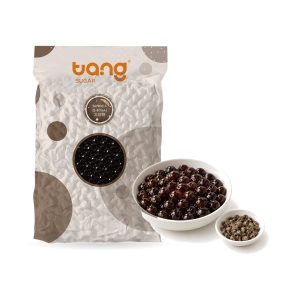
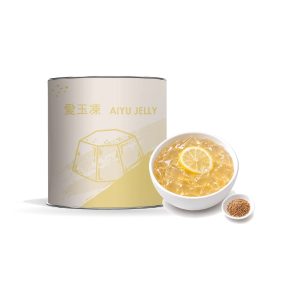
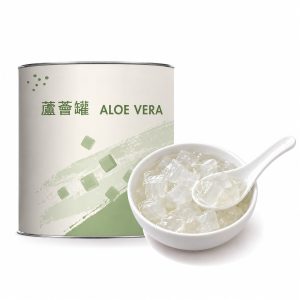
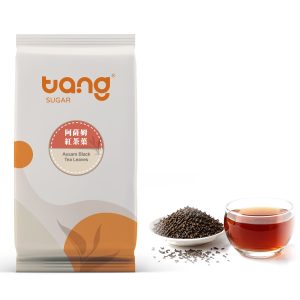
FAQ
How many items should a bubble tea menu have?
There’s no fixed rule. More items make prep and training more complex, so focus on core drinks and test new ones as seasonal specials.
What is menu engineering?
A menu design method proposed by Kasavana and Smith in 1982 to increase restaurant profitability; in practice, items are reviewed by sales volume and margin.
How can a bubble tea shop reduce ingredient inventory?
Let several drinks share the same ingredients, such as one green tea for several fruit teas and one brown sugar syrup for several brown sugar drinks.
How should sweetness levels be set?
Map each sweetness option to a fixed amount of sugar in grams and write it into the SOP so every cup is consistent.
Further Reading
- How to Calculate Bubble Tea Shop Profit Margin
- Bubble Tea Market Trends
- Which Tea Is Best for Milk Tea?
Sources
- Wikipedia: Menu engineering
- Tang Sugar: Tea Shop Opening Services, Our Services

