

Quick Answer
Air freight wins on speed and suits samples, urgent, high-value or small shipments; sea freight wins on lower cost per unit and suits large, heavy, non-urgent cargo, such as bulk bubble tea ingredients. Decide on four things: volume and weight, lead time, cargo value and storage conditions. Trade terms must also fit the mode: FOB, CFR and CIF apply only to sea and inland waterway transport; for air freight, use FCA, CPT, CIP or other terms that work for any mode.
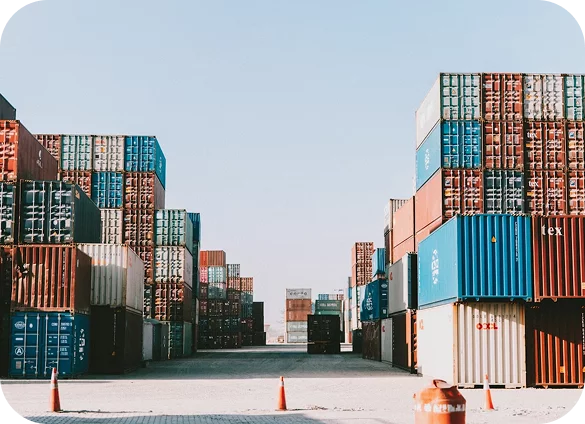
Air Freight vs Sea Freight Compared
| Comparison | Air freight | Sea freight |
|---|---|---|
| Speed | Fast | Slow, plus sailing schedules and transshipment |
| Cost per unit | High | Low |
| Suitable volume | Small, light cargo | Large, heavy cargo (FCL or LCL) |
| Suitable goods | Samples, urgent, high-value, short shelf life | Ingredients, bulk goods, packaging, equipment |
| Transport document | Air waybill (AWB) | Bill of lading (B/L) or sea waybill |
| Licensed intermediary in Taiwan | Air freight forwarder (Civil Aviation Act) | Ocean freight forwarder (Shipping Act) |
| Applicable Incoterms | FCA, CPT, CIP, DAP, DPU, DDP, EXW | All of these, plus FAS, FOB, CFR, CIF |
Which Mode for Bubble Tea Ingredients?
| Situation | Recommendation |
|---|---|
| Sending samples to an overseas customer for testing | Air freight or international express courier |
| First ingredients before a new store opens, on a tight schedule | Air-freight part as a stopgap, ship the bulk by sea |
| Regular monthly replenishment | Sea freight, FCL or LCL depending on volume |
| Temperature-controlled items such as frozen tapioca pearls | Confirm cold-chain transport options and costs |
| Many ingredients in small quantities | Sea freight LCL; see FCL vs LCL |
What to Check Before Choosing
- Total cost: beyond freight, there are customs clearance, port or airport charges, inland transport and storage.
- Storage conditions: ambient, chilled and frozen goods need different transport and cost.
- Packaging: sea freight must handle humidity and long stacking; air freight is sensitive to volumetric weight.
- Documents: an air waybill is usually non-negotiable, while an ocean bill of lading may be a negotiable document of title, which affects payment methods such as letters of credit; see What Is a Bill of Lading?
- Trade terms: don’t use FOB or CIF for air freight, to avoid unclear responsibility; see FOB vs CIF vs CFR.
How Tang Sugar Can Help
Tang Sugar’s export and triangular and multilateral trade services plan logistics routes based on product characteristics and lead time, choose ports and transport modes, and recommend Incoterms that clearly divide transport risk and responsibility. To plan a shipment, contact us.
FAQ
What is the difference between air freight and sea freight?
Air freight is fast but costs more per unit, suiting samples, urgent and high-value small shipments; sea freight is slow but cheaper, suiting large and heavy cargo.
Should bubble tea ingredients ship by air or sea?
Regular replenishment and bulk ingredients usually go by sea; samples or small urgent quantities before a store opening can go by air.
Can FOB or CIF be used for air freight?
Not recommended. Under the ICC classification, FOB, CFR and CIF apply only to sea and inland waterway transport; air freight should use FCA, CPT, CIP or other terms suitable for any mode.
Is an air waybill the same as a bill of lading?
No. An air waybill (AWB) is usually non-negotiable; an ocean bill of lading may be a negotiable document of title, which affects payment and cargo release.
How is air freight charged?
Usually by chargeable weight: the greater of actual weight and volumetric weight. Volumetric weight is commonly calculated as length × width × height (cm) ÷ 6,000 in kg; the actual divisor and rates depend on the airline’s or forwarder’s quote.
What is the difference between express courier and air cargo?
Express couriers (such as DHL, FedEx and UPS) offer door-to-door pickup and delivery with customs handled for you, suiting samples and small parcels; air cargo is usually arranged by a freight forwarder for larger shipments, at lower rates but with clearance and pickup handled separately.
Further Reading
- What Is a Freight Forwarder?
- FCL vs LCL: What’s the Difference?
- How to Import Bubble Tea Ingredients from Taiwan
- How to Choose Cargo Insurance
Sources
- International Chamber of Commerce: Incoterms® 2020 checklist
- Laws & Regulations Database of Taiwan: Shipping Act, Civil Aviation Act

