

Quick Answer
Buying bubble tea ingredients from Taiwan comes down to 7 steps: (1) define items and volumes → (2) request samples and test → (3) check your country’s regulations and labeling → (4) get quotes and choose Incoterms → (5) sign and pay → (6) production, shipping and documents → (7) customs clearance and delivery. The most often overlooked is step 3: countries differ on permitted ingredients, labeling and import documents, so confirm them before ordering, not when the goods reach port.
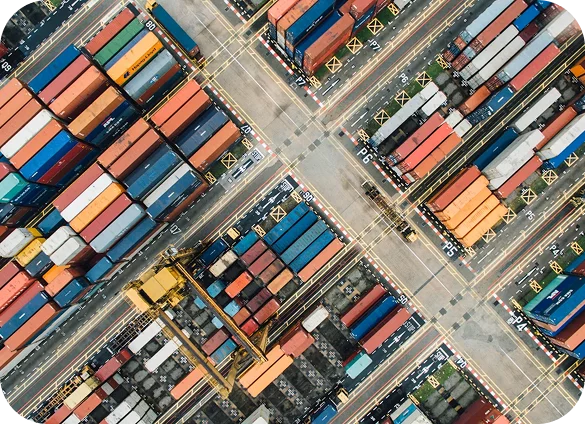
Why Buy Bubble Tea Ingredients from Taiwan?
Bubble tea originated in Taiwan (see The Origin of Bubble Tea in Taiwan), and Taiwan has a complete supply chain for tapioca pearls, tea leaves, fruit syrups and flavored powders. For overseas stores, buying Taiwanese ingredients directly means:
- Flavors close to Taiwanese shops, and “Taiwanese bubble tea” is a selling point in itself
- Many ingredient types bought at once and shipped in one consolidated container
- Access to suppliers with food safety certifications and export experience
The 7-Step Buying Process
1. Define Items and Volumes
Decide your menu first, then list the ingredients, estimated monthly usage and preferred pack sizes. Volume affects order quantity, transport mode and storage.
2. Request Samples and Test
Before ordering, test samples with your local water, taste preferences and cup sizes. Tang Sugar offers sample requests; describing your current operations and target market speeds up evaluation.
3. Check Your Country’s Regulations and Labeling
Confirm whether the ingredients and food additives are permitted, the labeling language, allergen and nutrition labeling, and whether documents such as health certificates are needed. For example, exports to the US must follow FDA registration and prior notice procedures, and Muslim markets often require Halal certification.
4. Get Quotes and Choose Incoterms
International quotes always state a trade term (Incoterm), which decides who pays freight and insurance and where risk passes. The 11 Incoterms 2020 rules are summarized below.
5. Sign and Pay
Confirm items, specifications, quantities, unit prices, lead time, payment terms and packaging and labeling, then sign and pay as agreed.
6. Production, Shipping and Documents
The supplier arranges production, quality checks, packing and booking, and prepares export documents. Common documents include the commercial invoice, packing list and bill of lading, plus a certificate of origin, health certificate or test reports as your country requires.
7. Customs Clearance and Delivery
After arrival, the importer or a customs broker clears the goods. Missing documents or non-compliant labels can cause delays, returns or extra costs, which is why step 3 matters so much.
For Tang Sugar’s full 7-step transaction process, see our trade process.
The 11 Incoterms 2020 Rules
Incoterms 2020, published by the International Chamber of Commerce (ICC), has 11 rules in two groups:
| Transport mode | Rule | Full name |
|---|---|---|
| Any mode | EXW | Ex Works |
| Any mode | FCA | Free Carrier |
| Any mode | CPT | Carriage Paid To |
| Any mode | CIP | Carriage and Insurance Paid To |
| Any mode | DAP | Delivered at Place |
| Any mode | DPU | Delivered at Place Unloaded |
| Any mode | DDP | Delivered Duty Paid |
| Sea and inland waterway only | FAS | Free Alongside Ship |
| Sea and inland waterway only | FOB | Free on Board |
| Sea and inland waterway only | CFR | Cost and Freight |
| Sea and inland waterway only | CIF | Cost, Insurance and Freight |
First-time importers commonly choose FOB (arranging ocean freight themselves) or CIF/CFR (the seller ships to the destination port). If you want the seller to handle transport and taxes to your door, discuss DAP or DDP, but price and responsibilities differ, so confirm them in the quote. See FOB vs CIF vs CFR.
5 Things to Check in a Taiwanese Supplier
- Food safety certifications: such as ISO 22000, FSSC 22000 and HACCP. Tang Sugar’s partner factories hold ISO 22000 (SGS verified), FSSC 22000 and HACCP certification.
- Export compliance: can it provide documents and labeling support for your market, such as FDA procedures and Halal certification?
- Business credit: check identifiers such as a Dun & Bradstreet D-U-N-S® Number to support due diligence.
- Product range: can it supply tea, syrups, powders, toppings and packaging in one go, cutting the cost of multiple suppliers and shipments?
- Communication and after-sales: clear lead times, a process for quality issues and a dedicated contact.
When You Need Cross-Border or Multi-Country Sourcing
If ingredients come from several countries, or you want third-country shipment or switch bills, see Tang Sugar’s triangular and multilateral trade service; for products beyond tea drinks or help finding overseas suppliers, see our international sourcing agent service.
Products in this article
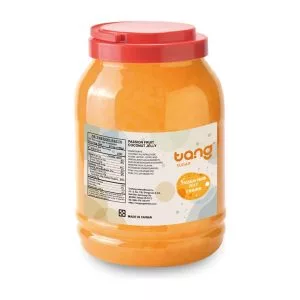
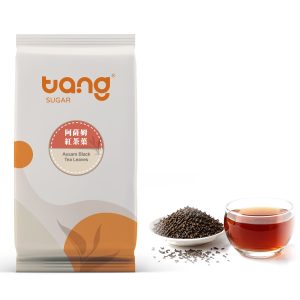
All 87 Bubble Tea & Boba Ingredients →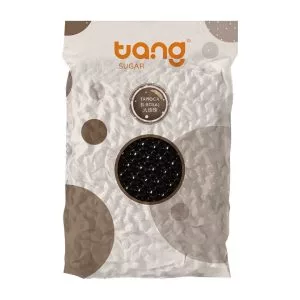
FAQ
How long does it take to import bubble tea ingredients from Taiwan?
It depends on the items, quantity, production schedule and transport mode. Sea freight is usually cheaper but slower than air; confirm the actual lead time with the supplier when quoting.
What is the difference between FOB and CIF?
Under FOB, risk passes once the seller loads the goods on the buyer’s nominated vessel, and the buyer pays ocean freight and insurance; under CIF, the seller pays freight and insurance to the destination port, but risk still passes at loading. Both apply only to sea and inland waterway transport.
What documents are needed to import bubble tea ingredients?
Commonly the commercial invoice, packing list and bill of lading, plus a certificate of origin, health certificate or test reports as the importing country requires. Requirements vary, so confirm before ordering.
Can I get samples before ordering?
Yes. Tang Sugar offers sample requests; test samples against local tastes and cup sizes before deciding on items and quantities.
How do I find a bubble tea supplier in Taiwan?
List the ingredients and monthly volumes you need, ask Taiwanese suppliers for specifications and samples, evaluate quality, certifications, lead times and export documents, and place a small trial order first.
Can one supplier provide all my bubble tea supplies?
Some Taiwanese suppliers, including Tang Sugar, can supply tea, syrups, powders, toppings and packaging together, so everything ships in one consolidated container and you deal with one contact.
Further Reading
- The Tang Sugar Brand Story
- How to Open a Bubble Tea Shop: Location, Equipment and Ingredients Checklist
- What Is Tapioca Starch? Origins and Uses of the Pearl Ingredient
- Bubble Tea Ingredients List: Supplies, Packaging and Equipment for a Tea Shop
Sources
- International Chamber of Commerce (ICC): Incoterms® 2020 checklist
- Tang Sugar: Trade Process, Certifications, FAQ

