

Quick Answer
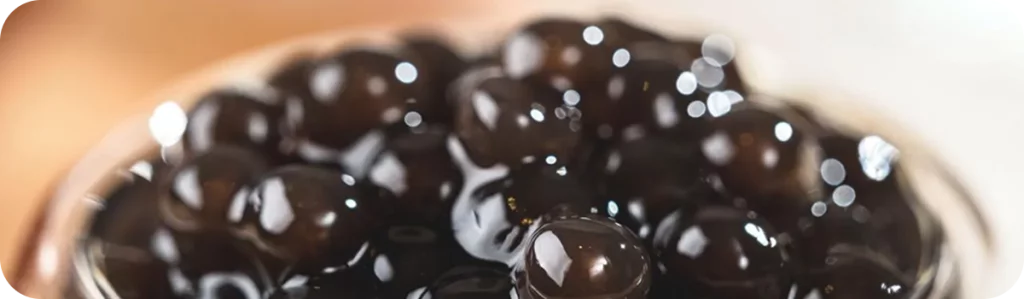
Tapioca starch and tapioca flour are the same product: the starch extracted from the root of the cassava plant, and the main ingredient of tapioca pearls (boba). Cassava is native to South America. According to FAOSTAT data for 2022, world production was about 330 million tonnes, with Nigeria the largest producer, while Thailand is the world’s largest exporter of tapioca starch. Raw cassava contains compounds that can release cyanide, so it must be processed before eating. Tapioca starch is not sweet potato starch, and the thickening starch sold in Taiwan as “potato starch” may be made from potato or tapioca, so always check the ingredient label.
Tapioca Starch vs Cassava Flour, Sweet Potato Starch, Potato Starch and Cornstarch
Cassava (Manihot esculenta) is also called manioc or yuca. The starch washed out of its root is sold as tapioca starch or tapioca flour; the two names mean the same thing. It is easy to confuse with other starches used in Asian cooking and in drink toppings:
| Name | Made from | Common uses |
|---|---|---|
| Tapioca starch / tapioca flour | Starch extracted from cassava root | Tapioca pearls, taro balls, chewy desserts |
| Sweet potato starch | Sweet potato (check the label for the actual source) | Crispy frying batter, sweet potato balls |
| “Potato starch” (taibai fen in Taiwan) | Potato starch or tapioca starch | Thickening sauces, marinating meat |
| Cornstarch | Corn | Thickening, baking |
Because one product name can cover different raw materials, Taiwan’s Ministry of Health and Welfare has required since 1 January 2017 that “taibai fen” thickening starch state the actual starch used (for example tapioca starch or potato starch) on the label. When sourcing, go by the ingredient list on the package, not the product name.
Where Does Cassava Come From?
The English Wikipedia article “Cassava” records that cassava is native to South America and was domesticated in the region of present-day Brazil and Paraguay. Because it tolerates drought and grows in poor soil, it spread widely across tropical Africa and Southeast Asia and became an important starch and staple crop in many countries.
Top Cassava Producing Countries (2022)
According to FAOSTAT data cited by English Wikipedia, world cassava production in 2022 was about 330 million tonnes. The leading producers were:
| Rank | Country | Production (million tonnes) |
|---|---|---|
| 1 | Nigeria | 60.8 |
| 2 | Democratic Republic of the Congo | 48.8 |
| 3 | Thailand | 34.1 |
| 4 | Ghana | 25.6 |
| 5 | Cambodia | 17.7 |
| 6 | Brazil | 17.6 |
African countries grow the most cassava, but most of it is eaten locally. Thailand is the world’s largest exporter of tapioca starch and a key raw material source for many tapioca pearl factories.
Why Can’t You Eat Raw Cassava?
Cassava contains cyanogenic glycosides, which can release cyanide as they break down. It has to be peeled, soaked, cooked or refined into starch before it is safe to eat. The tapioca starch used for boba has already been extracted and refined, which is very different from eating raw cassava.
What to Check When Sourcing Tapioca Starch and Tapioca Pearls
- Read the ingredient list: 100% tapioca starch or a blend with other starches? This changes the texture and cooking time of the pearls.
- Ask for test documents: raw material origin, heavy metal and microbiological test reports.
- Check factory certifications: food safety management systems such as ISO 22000, FSSC 22000 and HACCP.
- Confirm your import rules: each country has its own requirements for ingredients, labeling and import documents.
If you run a bubble tea shop overseas and don’t want to process raw starch yourself, you can buy ready-made tapioca pearls made in Taiwan. Tang Sugar offers bubble tea ingredient supply and export services; our partner factories hold ISO 22000 (SGS verified), FSSC 22000 and HACCP certification. If you need ingredients from several countries, see our international sourcing agent and triangular and multilateral trade services.
Products in this article
All 8 Tapioca Pearls →
FAQ
Are tapioca starch and tapioca flour the same?
Yes. Both names refer to the starch extracted from cassava root.
Where does tapioca starch come from?
Cassava is native to South America. In 2022 the largest producers were Nigeria, the Democratic Republic of the Congo and Thailand, and Thailand is the world’s largest exporter of tapioca starch.
Is tapioca starch safe?
Raw cassava contains compounds that can release cyanide and must be processed before eating. Commercial tapioca starch has already been extracted and refined. When buying, ask the supplier for test reports and food safety certifications.
Can tapioca pearls be made with other starches?
Some products blend in other starches, which changes the texture and cooking time. Traditional tapioca pearls use tapioca starch as the main ingredient; check the product label for the actual ingredients.
Is tapioca starch the same as sweet potato starch?
No. Tapioca starch comes from cassava root, while sweet potato starch comes from sweet potatoes. Check the ingredient label for the actual source.
Is tapioca starch the same as potato starch?
No. Potato starch comes from potatoes. In Taiwan, the thickening starch sold as “taibai fen” may be made from either potato or tapioca starch, and since 2017 the label must state which one is used.
What is tapioca starch used for?
It is used for tapioca pearls, taro balls and many chewy desserts. Once heated, it gelatinizes into a springy, chewy texture, and it can also be used to thicken sauces.
Is Japanese katakuriko the same as tapioca starch?
No. Katakuriko is the Japanese name for thickening starch, and most products sold today are made from potato starch, while tapioca starch comes from cassava. Check the ingredient label for the actual source.
Where can I buy tapioca starch?
Small packs for home use are sold in supermarkets and baking stores. Bubble tea shops that serve boba usually buy ready-made tapioca pearls instead, which gives more consistent quality and faster service. See how tapioca pearls are made and all products.
Further Reading
- How Are Tapioca Pearls Made? 5 Manufacturing Steps from Starch to Boba
- How to Cook Tapioca Pearls: A Commercial Boba Cooking SOP
- How to Import Bubble Tea Ingredients from Taiwan
Sources
- Wikipedia: Cassava (production data cited from FAOSTAT 2022)
- Taiwan Ministry of Health and Welfare: New food regulations for 2017 (starch source labeling) (in Chinese)
- Wikipedia: Tapioca
- Wikipedia: Tapioca pearl

