

Quick Answer
The basic process for making tapioca pearls is: (1) knead tapioca starch with boiling water into a dough → (2) cut and roll it into balls → (3) gelatinize the outer layer → (4) pass the pearls through a steam tunnel → (5) dry them below 40°C. Cooking the surface while the core stays raw starch is what lets boba hold its shape and still turn chewy when cooked. Depending on how far they are processed, pearls are sold raw (about 45 minutes of cooking) or semi-cooked (about 30 minutes).
The Main Ingredient: Tapioca Starch
The main ingredient of tapioca pearls is tapioca starch (also called tapioca flour), extracted from cassava root. Cassava is native to South America and is now grown mainly in Africa and Southeast Asia, and Thailand is the world’s largest exporter of tapioca starch. For more on the raw material, see What Is Tapioca Starch?
Besides starch, the recipe can include sugar or other sweeteners to change the pearls’ color and texture. That is why brown sugar boba, white (crystal) pearls and golden pearls look and taste different.
5 Steps in Tapioca Pearl Manufacturing
The process below is summarized from the English Wikipedia article “Tapioca pearl”. Real production lines vary with each factory’s equipment and recipes.
Step 1: Knead the starch with boiling water
Tapioca starch is mixed with boiling water and kneaded until it can be shaped. The boiling water gelatinizes part of the starch, which makes the dough sticky enough to form.
Step 2: Cut and roll into balls
The dough is cut into small pieces and rolled into balls. Traditionally this was done with a sieve or a rotating drum; industrial lines form the pearls continuously by machine and sieve them to control size.
Step 3: Gelatinize the surface
Gentle heat gelatinizes only the starch on the outside of each pearl while the inside stays raw. Once this outer shell forms, the pearls hold their shape and don’t stick together during the next steps.
Step 4: Steam
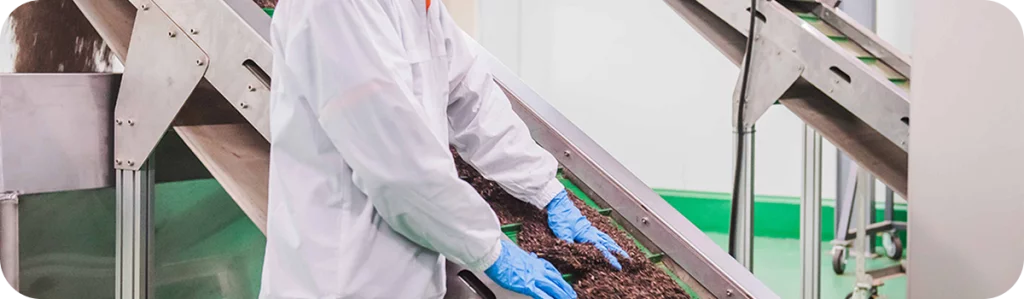
The pearls are spread on trays and moved slowly through a steam tunnel so the surface gelatinizes evenly.
Step 5: Dry at low temperature
The pearls are dried in a drying room starting below 40°C so the core does not keep gelatinizing. Dried pearls have low moisture, which makes them easy to pack, ship and store for a long time.
Raw vs Semi-Cooked vs Ready-to-Eat Tapioca Pearls
| Type | Processing | Cooking time in store (reference) | Shelf life (reference) |
|---|---|---|---|
| Raw (dried) pearls | Formed and dried | About 45 minutes | About 6 months |
| Semi-cooked pearls | Partly cooked | About 30 minutes | About 8 months |
| Frozen or shelf-stable instant pearls | Fully cooked, then frozen or vacuum packed | Heat or warm up as directed | See product label |
The cooking times and shelf lives above are general figures from English Wikipedia; products vary widely by brand, so always follow the package. Tang Sugar’s tapioca pearl range includes large, medium and small pearls, white pearls, golden pearls, frozen pearls and shelf-stable pearls in several pack sizes, so you can match them to the way your store preps.
5 Things Buyers Should Check in a Tapioca Pearl Factory
- Food safety certification: does the factory hold ISO 22000, FSSC 22000, HACCP or similar food safety management certification?
- Consistent pearl size: size variation within a batch directly affects cooking time and texture.
- Raw material origin and test reports: where the tapioca starch comes from, plus factory and third-party test reports.
- Destination market rules: ingredients, allergen and nutrition labeling must meet the importing country’s rules, such as the FDA procedures required for the United States.
- Production capacity and lead times: can they supply steadily over the long term, not just make a good sample?
Tang Sugar’s partner factories hold ISO 22000 (SGS verified), FSSC 22000 and HACCP certification, and we offer OEM / ODM development for tapioca pearls and toppings, adjusting size, texture, cooking profile and application to your market.
Products in this article
All 8 Tapioca Pearls →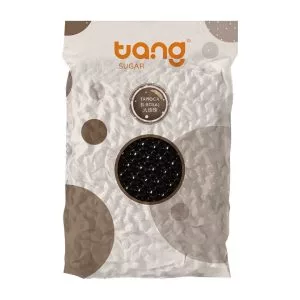
FAQ
Why are tapioca pearls chewy?
During production only the outer starch is gelatinized while the core stays raw. When you cook the pearls, the inner starch absorbs water and gelatinizes, giving the springy, chewy “QQ” texture. Cooked pearls harden over time, so stores usually use them within a few hours.
Are tapioca pearls made only of tapioca starch?
Tapioca starch is the main ingredient. Recipes may add sugar, sweeteners or other ingredients to change color and texture; check the product label for the actual ingredients.
Should I choose raw or semi-cooked tapioca pearls?
Raw pearls take longer to cook and have a shorter shelf life; semi-cooked pearls cook faster and suit stores that need to serve quickly. Also consider your equipment and daily volume.
Can Tang Sugar customize pearl size or flavor?
Yes. We develop custom tapioca pearls and toppings, adjusting size, texture, cooking profile and application to your market. See our OEM / ODM and private label services.
What are tapioca pearls made of?
Traditional tapioca pearls are made mainly from tapioca starch. Some products add sugars or other starches to adjust texture and color; check the product label for the actual ingredients.
Are boba and tapioca pearls the same thing?
Yes. In English they are called tapioca pearls, and in the United States they are commonly called boba.
Where can I buy tapioca pearls wholesale?
Bubble tea shops and food businesses usually buy wholesale from ingredient suppliers or factories. Tang Sugar supplies large, medium and small pearls, white pearls, golden pearls, and frozen and shelf-stable pearls. Browse all products or request free samples.
How do I choose tapioca pearls for a bubble tea shop?
First choose raw, semi-cooked or instant pearls based on how your store preps and how fast you serve. Then check whether pearl size is consistent within a batch, whether test reports are available, and whether the factory holds food safety certifications such as ISO 22000 and HACCP.
Further Reading
- How to Cook Tapioca Pearls: Commercial Boba SOP and Holding Time
- Tapioca Pearls, Boba, Popping Boba and Agar Boba: What’s the Difference?
- The Tang Sugar Brand Story
- Instant (Shelf-Stable) Tapioca Pearls and DIY Bubble Tea Kits
Sources
- Wikipedia: Tapioca pearl
- Wikipedia: Cassava
- Tang Sugar: Certifications, OEM / ODM services

