

Quick Answer
According to English Wikipedia, bubble tea reached the UK in the 2000s–2010s, first catching on in areas with large Asian communities such as London’s Chinatown and Soho; in 2011 entrepreneur Assad Khan opened Bubbleology and other specialty shops appeared in London, driving market growth. In Germany, a private group claimed in 2012 that Taiwanese bubble tea toppings contained carcinogens, but according to CTS News, German government tests found everything compliant, and spot tests of tapioca pearls and popping boba by Taiwan’s Executive Yuan consumer protection office found no carcinogens. For Taiwanese ingredient suppliers, the key to Europe is complying with EU food law and labeling.

How Bubble Tea Developed in Europe
| When | Development | Source |
|---|---|---|
| 2000s–2010s | Bubble tea reaches the UK, first popular in London’s Chinatown and Soho | English Wikipedia |
| 2011 | Bubbleology opens a specialty shop in London | English Wikipedia |
| 2012 | A German group claims toppings contain carcinogens; German government tests find all compliant, Taiwan’s consumer protection tests find none | CTS News |
For a full fact-check of the 2012 claim, see Tapioca Pearls, Boba, Popping Boba and Agar Boba Compared.
What to Watch When Exporting to Europe
- Food additives and colors: the EU has specific rules and labeling requirements for some additives and colors, so check colored products such as Thai tea carefully; see Why Is Thai Milk Tea Orange?
- Allergens and label language: label in the language and to the rules of each country of sale.
- Food safety documents: test reports and factory certifications (FSSC 22000, for example, is a GFSI-recognized scheme); see HACCP vs ISO 22000 vs FSSC 22000.
- Shipping: sea freight takes longer, so consider shelf life and packaging.
Always follow the actual requirements of the destination country’s authorities and your importer.
Lessons from the 2012 Claim
The 2012 episode showed that quality and test documentation are the foundation of trust in overseas markets. Buyers can ask suppliers for test reports and factory certifications, and exporters should have them ready; see The Taiwan Food Export Process.
How Tang Sugar Can Help
Tang Sugar serves parts of Europe. Our partner factories hold ISO 22000 (verified by SGS), FSSC 22000 and HACCP certifications, and we can help with documents for your target market. Buyers in Europe are welcome to contact us.
Products in this article
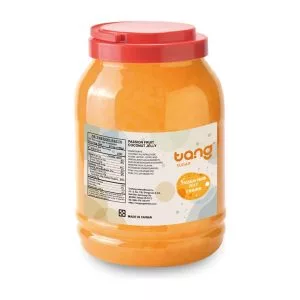
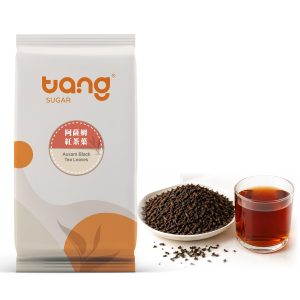
All 82 Bubble Tea & Boba Ingredients →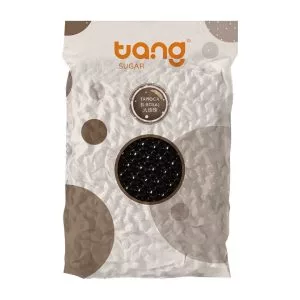
FAQ
When did bubble tea arrive in the UK?
According to English Wikipedia, around the 2000s–2010s, first catching on in London’s Chinatown and Soho.
Was the 2012 German bubble tea cancer scare true?
According to CTS News, German government tests found everything compliant, and spot tests of tapioca pearls and popping boba by Taiwan’s Executive Yuan consumer protection office found no carcinogens.
What should you check when exporting bubble tea ingredients to Europe?
Food additive and color rules, allergens and label language, food safety documents, and shipping time and shelf life.
Does FSSC 22000 matter to European buyers?
FSSC 22000 is a GFSI-recognized food safety management scheme, and international retailers and brands often list it as a sourcing requirement.
Further Reading
- Bubble Tea in the USA
- Bubble Tea in Southeast Asia
- The Taiwan Food Export Process
- Become a Bubble Tea Ingredient Distributor
Sources
- Wikipedia: Bubble tea
- CTS News (2012-11-15): Spot test results for tapioca pearls and popping boba (in Chinese)
- Foundation FSSC: About

