

Quick Answer
Southeast Asia was one of the first regions bubble tea spread to. According to English Wikipedia: it was sold in Singapore as early as 1992 and became a craze among young people in 2001; it reached Malaysia in the late 1990s and took off in cities and night markets in the early 2000s; and it arrived in Vietnam in the early 2000s, becoming popular a few years later. For Taiwanese ingredient suppliers, Southeast Asia calls for two things: (1) markets with large Muslim populations often require halal certification; (2) the region has trade agreements such as RCEP, but Taiwan is not an RCEP member, so exports from Taiwan don’t get RCEP preferential tariffs.
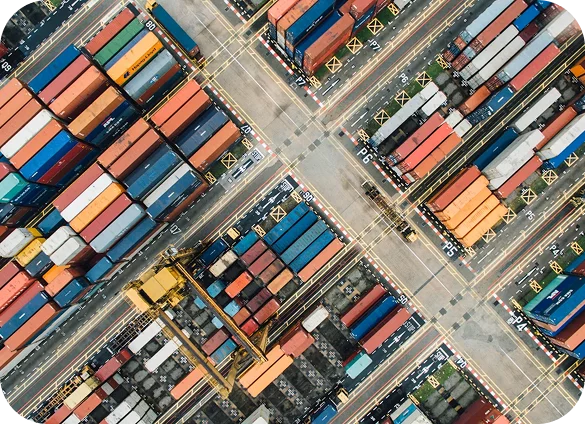
Bubble Tea in Southeast Asia: A Timeline
| Country | Development (from English Wikipedia) |
|---|---|
| Singapore | Sold by 1992; a youth craze in 2001 |
| Malaysia | Arrived in the late 1990s; took off in cities and night markets in the early 2000s |
| Vietnam | Taiwanese milk tea arrived in the early 2000s and became popular a few years later |
3 Things to Know About Importing Ingredients
1. Halal Certification
In markets with large Muslim populations such as Malaysia and Indonesia, retailers and consumers often rely on halal marks when buying. Taiwan Halal Integrity Development Association (THIDA) has written recognition from bodies including Malaysia’s JAKIM, Singapore’s MUIS and Indonesia’s BPJPH; see What Is Halal Certification?
2. Trade Agreements and Origin
RCEP entered into force on January 1, 2022 for countries including Singapore, Thailand and Vietnam, but Taiwan is not a member. If you source some ingredients within Southeast Asia, consider a regional supply chain; see How to Source from Vietnam and Thailand Sourcing Guide.
3. Shipping and Storage
Southeast Asia is hot and humid, so powders and teas need extra moisture protection, and frozen pearls need a cold chain.
Why Taiwanese Ingredients Stand Out in Southeast Asia
- Authentic Taiwanese flavor: “Taiwanese bubble tea” is a selling point in itself.
- A complete range: teas, pearls, syrups, powders and toppings bought together and consolidated in one container.
- Certifications: food safety and halal certifications help with entry into chain retail.
How Tang Sugar Can Help
Tang Sugar serves Asia among other regions. Our products are halal certified, and our partner factories hold ISO 22000 (verified by SGS), FSSC 22000 and HACCP certifications. We also offer multilateral trade services to help plan regional supply routes. Buyers in Southeast Asia are welcome to contact us.
Products in this article
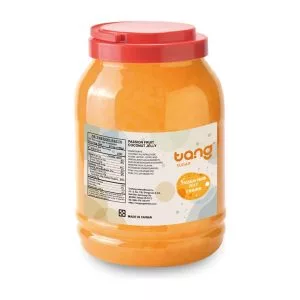
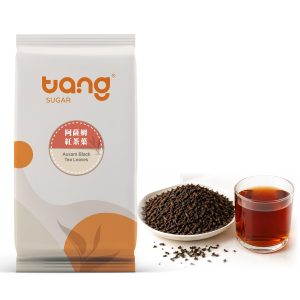
All 82 Bubble Tea & Boba Ingredients →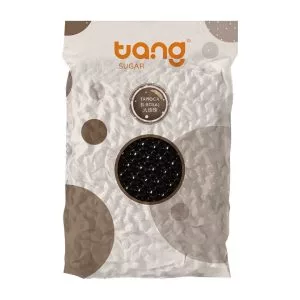
FAQ
When did bubble tea arrive in Singapore?
According to English Wikipedia, it was sold in Singapore as early as 1992 and became a youth craze in 2001.
How did bubble tea develop in Malaysia?
According to English Wikipedia, it arrived in the late 1990s and took off in cities and night markets in the early 2000s.
Do bubble tea ingredients exported to Southeast Asia need halal certification?
It depends on the market and channel; markets with large Muslim populations often require halal certification, so confirm which certifying bodies the buyer accepts before exporting.
Can exports from Taiwan to Southeast Asia use RCEP?
No, Taiwan is not an RCEP member.
Further Reading
Sources
- Wikipedia: Bubble tea
- ASEAN: RCEP Agreement enters into force
- Taiwan Halal Integrity Development Association: Halal certification (in Chinese)

