

Quick Answer
According to English Wikipedia, bubble tea reached Japan in the late 1990s but failed to make a lasting impression, and only became a real craze in the 2010s; Japanese teenage girls even coined the slang “tapiru” (to drink bubble tea), which ranked first in a 2018 survey of buzzwords among junior high school girls. On the ingredient side, Business Today reported in September 2019 that Japan imported 6,270 tonnes of tapioca pearls (including substitutes) in January–July 2019, of which 5,435 tonnes, or 87%, came from Taiwan, up 8.9 times year on year. Taiwanese brands opening in Japan also drove imports of Taiwanese pearls.

How the Bubble Tea Boom Unfolded in Japan
| Period | Development |
|---|---|
| Late 1990s | Bubble tea arrives in Japan but doesn’t catch on (English Wikipedia) |
| 2010s | A bubble tea craze sweeps Japan (English Wikipedia) |
| 2018 | “Tapiru” tops a buzzword survey of junior high school girls (English Wikipedia) |
| 2019 | 6,270 tonnes of tapioca pearls imported in January–July, 87% from Taiwan (Business Today) |
Why Did Japan Import So Many Taiwanese Tapioca Pearls?
Business Today cited two reasons:
- Taiwanese brands opening in Japan: brands such as Chun Shui Tang and Gong Cha had multiple branches in Japan, driving imports of Taiwanese pearls.
- Growing home demand: more Japanese consumers made tapioca drinks and desserts at home; searches for tapioca pearls on recipe site Cookpad in August were 6.6 times the previous year.
Lessons for Taiwanese Ingredient Exports
- Brand expansion drives ingredient exports: overseas stores using Taiwanese ingredients grow ingredient demand; see What Is a Brand-Authorized Distributor?
- Retail and home markets: small shelf-stable pearl packs and DIY kits also sell; see Types of Tapioca Pearls.
- Quality and labeling: the Japanese market values quality and labeling, so check ingredient and labeling rules before exporting.
How Tang Sugar Can Help
Tang Sugar supplies Taiwanese bubble tea ingredients including tapioca pearls, teas, syrups and powders, as well as small shelf-stable pearl packs. Our partner factories hold ISO 22000 (verified by SGS), FSSC 22000 and HACCP certifications. Buyers in Japan and across Asia are welcome to contact us or request samples.
Products in this article
All 8 Tapioca Pearls →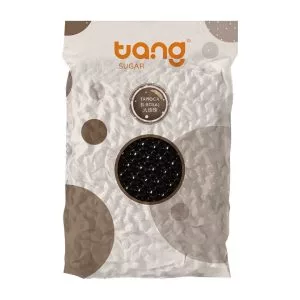
FAQ
When did bubble tea become popular in Japan?
According to English Wikipedia, it arrived in the late 1990s without catching on, and became a craze in the 2010s.
What does “tapiru” mean?
It’s slang coined by young people in Japan meaning to drink bubble tea; according to English Wikipedia, it topped a 2018 buzzword survey of junior high school girls.
How many of Japan’s tapioca pearls come from Taiwan?
Business Today reported that Japan imported 6,270 tonnes of tapioca pearls in January–July 2019, 87% of them from Taiwan.
Why does Japan import so many Taiwanese tapioca pearls?
Taiwanese brands opening in Japan drove demand, along with more people making tapioca drinks and desserts at home.
Further Reading
- Bubble Tea in the USA
- Taiwan Tapioca Pearl Exports
- Taiwan’s Bubble Tea Culture
- Become a Bubble Tea Ingredient Distributor
Sources
- Wikipedia: Bubble tea
- Business Today (2019-09-22): Japan goes crazy for Taiwanese bubble tea: nearly 90% of tapioca pearls come from Taiwan (in Chinese)

