

Quick Answer
According to Taiwan’s Food and Drug Administration, adults should keep caffeine intake under 300mg a day. In Taiwan, freshly made drinks at chain beverage shops, convenience stores and fast-food outlets must be labeled if they contain caffeine, either with red, yellow and green labels (red: 201mg or more per cup; yellow: 101–200mg; green: 100mg or less) or by stating the maximum value. Bubble tea caffeine comes mainly from tea, coffee and cocoa, and varies with the amount of tea, brewing time and temperature, and cup size; drinks without tea leaves, such as winter melon tea, are caffeine-free on their own.
Red, Yellow and Green Caffeine Labels
| Label | Total caffeine per cup |
|---|---|
| Red | 201mg or more |
| Yellow | 101–200mg |
| Green | 100mg or less |
Businesses can instead show the maximum total caffeine per cup, marked “maximum”. Since 2023, caffeine labeling has covered all freshly made drinks containing caffeine, not just coffee, and QR codes are allowed. See Taiwan’s Bubble Tea Labeling Rules.
Recommended Daily Caffeine Intake
Taiwan’s FDA advises adults to keep caffeine under 300mg a day; too much can cause palpitations, trembling or insomnia. People sensitive to caffeine, pregnant women, children and teenagers should be more careful; check health authorities’ latest guidance.
What Affects Caffeine in Bubble Tea?
- Amount of tea: more tea usually extracts more caffeine.
- Brewing time and temperature: longer and hotter brewing extracts more.
- Cup size: a 700ml cup usually holds more tea than a 500ml cup.
- Ingredient combinations: adding coffee or cocoa increases caffeine.
That’s why the same tea can vary widely in caffeine between shops and cup sizes. To label accurately, shops must fix tea amounts and brewing SOPs and get caffeine data for their tea from suppliers.
Caffeine-Free and Low-Caffeine Options
- Winter melon tea: cooked from winter melon and sugar with no tea leaves, so it has no caffeine itself; see What Is Winter Melon Tea?
- Fruit drinks and yogurt drinks: based on fruit syrups or yogurt drinks; without tea they contain no tea caffeine.
- Fresh milk drinks: such as brown sugar pearl milk (without tea).
How Shops Prepare Caffeine Labels
- Fix the amount of tea, coffee and cocoa and the brewing method for each cup.
- Get caffeine data for ingredients from suppliers, or have them tested.
- Calculate total caffeine per cup for each size.
- Choose a labeling method: maximum value or red-yellow-green.
- Recalculate when recipes or suppliers change.
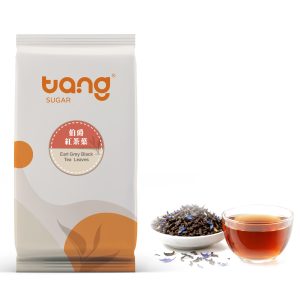
Products in this article
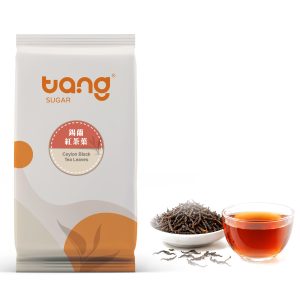
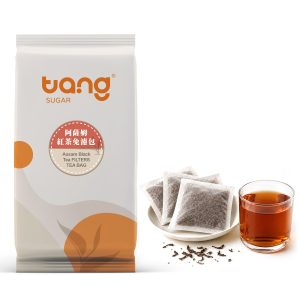
All 39 Tea Leaves →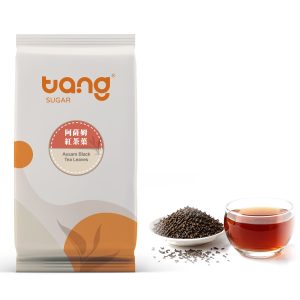
FAQ
How much caffeine can an adult have per day?
Taiwan’s FDA advises adults to keep caffeine under 300mg a day.
What do the red, yellow and green caffeine labels mean?
Red is 201mg or more per cup, yellow 101–200mg and green 100mg or less.
Does bubble tea have caffeine?
Bubble tea made with black, green or oolong tea contains caffeine from the tea; the amount depends on the tea, brewing and cup size. Drinks without tea, such as winter melon tea or fruit drinks, are caffeine-free on their own.
Does winter melon tea have caffeine?
No. It’s cooked from winter melon and sugar with no tea leaves; mixed with black or green tea, it will contain tea’s caffeine.
Why does the same tea have different caffeine levels?
Caffeine depends on the amount of tea, brewing time and temperature, and cup size, so it can differ widely between shops and sizes.
Further Reading
- Taiwan’s Bubble Tea Labeling Rules
- What Is Winter Melon Tea?
- No-Filter Tea Bags vs Extraction Bags vs Loose-Leaf Tea
- How to Make Cold Brew Tea
Sources
- Taiwan Food and Drug Administration: Food and Drug Safety Weekly No. 471: Don’t overdo caffeine, read the red-yellow-green labels (in Chinese)
- Ministry of Health and Welfare, Taiwan: How to read labels on freshly made drinks and packaged juices (in Chinese)
- Taichung City Food and Drug Administration: Labeling rules for freshly made drinks (effective 2023-01-01) (in Chinese)

