

Quick Answer
The history of Taiwanese tea has three key periods: (1) after Taiwan’s ports opened in 1860, tea became a major export, and British merchant John Dodd of Dodd & Co. promoted Formosa Oolong overseas; (2) during Japanese rule, large-leaf tea plants were introduced from Assam, India, laying the foundation for Sun Moon Lake black tea; (3) in the 1980s, bubble tea was born in Taiwan and became a global drink in the early 21st century. According to Chinese Wikipedia, Taiwan is best known for partly oxidized oolong and pouchong teas.
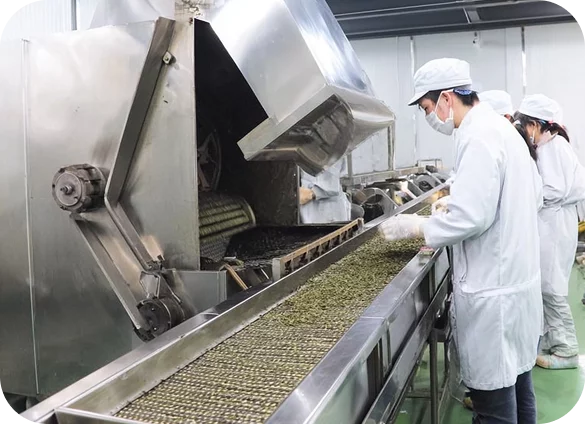
Taiwanese Tea Timeline
| Period | Highlights (from Chinese Wikipedia “Taiwanese tea”) |
|---|---|
| After ports opened in 1860 | Tea became a leading export |
| Around 1869 | John Dodd of Dodd & Co. promoted exports of Formosa Oolong |
| Japanese rule | Assam large-leaf tea introduced from India; Sun Moon Lake black tea developed around the 1920s |
| 1980s | Bubble tea was born in Taiwan |
| Early 21st century | Bubble tea became popular worldwide |
Main Types of Taiwanese Tea
| Type | Oxidation | Examples |
|---|---|---|
| Green tea | Not oxidized | Jasmine green tea and others |
| Pouchong | Lightly oxidized | Wenshan Pouchong |
| Oolong | Partly oxidized | Four Seasons Spring, Tieguanyin, high mountain oolong |
| Black tea | Fully oxidized | Sun Moon Lake black tea, Ruby (Taiwan Tea No. 18) |
Taiwan has also bred many of its own cultivars, such as Ruby, Taiwan Tea No. 18 (see Taiwan Ruby Black Tea), while Four Seasons Spring is a local variety selected by farmers in Muzha (see What Is Four Seasons Spring Tea?).
From Teahouses to Bubble Tea Shops
Taiwan’s tea culture evolved from traditional tea brewing to foam tea shops, and then to bubble tea in the 1980s. Both Chun Shui Tang and Hanlin Tea House claim to have invented bubble tea, and the court ultimately found it is a new type of drink rather than a patented product; see Who Invented Bubble Tea? Today Taiwan has more than 16,000 drink shops (end of September 2025) and has taken “Taiwanese bubble tea” worldwide; see Bubble Tea Market Trends.
How Bubble Tea Brought Taiwanese Tea to the World
Bubble tea introduced Taiwanese tea to the world in a new form: Four Seasons Spring, Tieguanyin, Ruby and jasmine green tea are now common bubble tea bases. For shops overseas, using Taiwanese tea leaves and ingredients is one of the most important ways to deliver an authentic Taiwanese taste.
Tang Sugar’s Taiwanese Tea Ingredients
Tang Sugar focuses on bubble tea ingredients and the bubble tea supply chain. We supply Four Seasons Spring, Tieguanyin, roasted oolong, Ruby, jasmine green tea and more, as whole leaves, filter-free bags and brewing bags, helping brands in Taiwan and abroad serve authentic Taiwanese tea drinks. See our tea products and the Tang Sugar story.
FAQ
What is Taiwanese tea most famous for?
According to Chinese Wikipedia, Taiwan is best known for partly oxidized oolong and pouchong teas, and it also produces green and black teas.
What is Formosa Oolong?
Formosa Oolong is the oolong tea Taiwan exported after its ports opened in 1860. British merchant John Dodd’s company, Dodd & Co., played an important role in promoting it overseas.
How did Sun Moon Lake black tea begin?
During Japanese rule, large-leaf tea plants were introduced from Assam, India, and black tea was developed around Sun Moon Lake in about the 1920s.
When did bubble tea first appear?
According to Chinese Wikipedia, bubble tea appeared in Taiwan in the 1980s and became popular internationally in the early 21st century.
Why is Taiwanese tea called Formosa tea?
Formosa is the historical Western name for Taiwan. Taiwanese oolong exported in the 19th century became famous as Formosa Oolong, and today it is generally called Taiwanese tea.
Further Reading
- Who Invented Bubble Tea? Its Taiwan Origin
- Taiwan Ruby Black Tea (No. 18)
- What Is Four Seasons Spring Tea?
- What Is Tieguanyin Tea?
Sources
- Chinese Wikipedia: Taiwanese tea (in Chinese)
- Tea and Beverage Research Station, Ministry of Agriculture: Shy Jih Chuen (cultivar overview) (in Chinese)
- Commercial Times (2025-12-08): Ministry of Economic Affairs statistics on drink shops (in Chinese)

