

Quick Answer
Third-country shipment means the company that takes the order and signs the contract is not in the same country as the place the goods actually ship from: for example, a Taiwanese company receives an order from a US customer and a factory in Vietnam ships directly to the US. It is the most common logistics setup in triangular and multilateral trade, giving the shortest route with no detour through the ordering company’s country. Note: the origin is the actual country of manufacture, and origin, bill of lading and invoice details must match the actual goods.
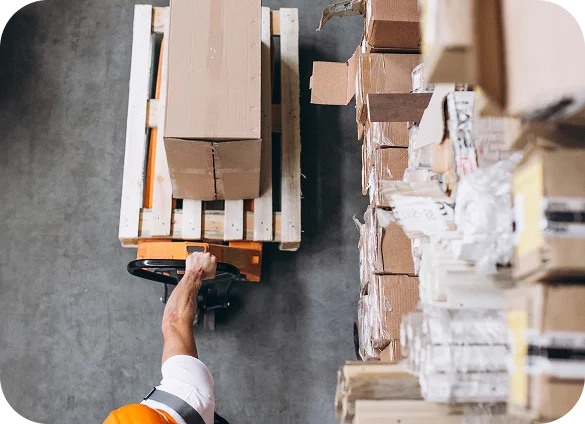
Third-Country Shipment vs Transshipment
| Comparison | Third-country shipment | Transshipment (via a third location) |
|---|---|---|
| Goods route | Manufacturing country → buyer’s country (direct) | Manufacturing country → transit point → buyer’s country |
| Ordering company’s location | Not on the goods route | May be the transit point |
| Logistics time and cost | Usually shorter and lower | An extra leg of transport and handling |
| Origin | Manufacturing country | Still the manufacturing country (transshipment doesn’t change origin) |
| Common uses | Triangular trade, direct shipment from OEM factories | Consolidation, repacking, entrepot trade |
If goods are actually transshipped through Taiwan, Taiwan’s Customs Administration has clearance rules for triangular trade transshipment, and foreign goods may not be marked as Taiwan origin.
When Third-Country Shipment Makes Sense
- OEM / ODM: the brand is in Taiwan, the factory in Southeast Asia, and finished goods ship straight to the sales country.
- Multi-country ingredients shipped to stores: for example bubble tea ingredients from factories in different countries shipped directly to overseas chain stores.
- Trader takes the order, factory ships: a trader without its own factory has partner factories ship directly.
- Shorter lead times: avoiding detours cuts transit time and extra freight.
Third-Country Shipment Process
- Confirm the buyer’s requirements, delivery point and trade terms.
- Order from the third-country factory and confirm it can ship directly to the buyer.
- Plan the shipper, consignee and notify party on the bill of lading.
- Inspect before shipment to confirm quantity, quality, packaging and labeling.
- Clear export customs in the factory’s country and ship directly to the buyer’s country.
- Deliver the commercial invoice, packing list, bill of lading, certificate of origin and other documents to the buyer.
- The buyer clears and collects the goods; both sides settle.
For the full steps, see the Triangular Trade Process Flowchart.
Document Points
- Commercial invoices: the ordering company’s invoice to the buyer and the factory’s invoice to the ordering company must match in product and quantity.
- Bill of lading: the shipper is usually the exporting factory or its forwarder; if details need adjusting, consider a switch bill of lading, but the shipment date, packages and weight cannot be changed.
- Certificate of origin: issued by an authority in the manufacturing country, showing the manufacturing country as origin.
- Packaging marks: origin marking must match the actual place of manufacture.
How Tang Sugar Supports Third-Country Shipment
Tang Sugar’s triangular and multilateral trade service arranges direct shipping: goods can ship from the manufacturing country straight to the final market, while the trader coordinates payments and contracts, keeping logistics, payments and documents separate but fully matched. To evaluate a third-country shipping route, contact us.
FAQ
What does third-country shipment mean?
The company that takes the order and signs the contract is in a different country from where the goods ship, and a factory or warehouse in a third country ships directly to the buyer.
What is the origin of goods in a third-country shipment?
The actual country of manufacture. Neither the ordering company’s location nor a transit point changes origin.
Is third-country shipment the same as entrepot trade?
No. In a third-country shipment the goods go directly from the manufacturing country to the buyer’s country; in entrepot trade the goods first go to an intermediate country, where a local merchant buys and re-exports them.
What documents are needed for a third-country shipment?
Typically commercial invoices on both sides, a packing list, a bill of lading, and a certificate of origin and inspection or health documents as required by the importing country.
Further Reading
- What Are the Risks of Triangular Trade?
- What Is Entrepot Trade?
- What Are Rules of Origin?
- What Is Hong Kong Re-Export Trade?
Sources
- Customs Administration, Taiwan: Triangular trade (in Chinese)
- Tang Sugar: Triangular and Multilateral Trade

