

Quick Answer
Hong Kong is a free port: according to the HKSAR Government’s Trade and Industry Department, Hong Kong pursues a free trade policy and charges no tariffs on imports or exports; some goods need licenses, mainly to meet commitments to trading partners or for public health and safety. Hong Kong has also long been a re-export hub: Trade and Industry Department data show that in 2025, re-exports through Hong Kong to or from mainland China were worth HK$4,265.3 billion, 82.4% of Hong Kong’s total re-exports. Re-export trade allows consolidation and distribution, but re-exporting through Hong Kong does not change the goods’ origin, and documents and origin marking must be truthful.
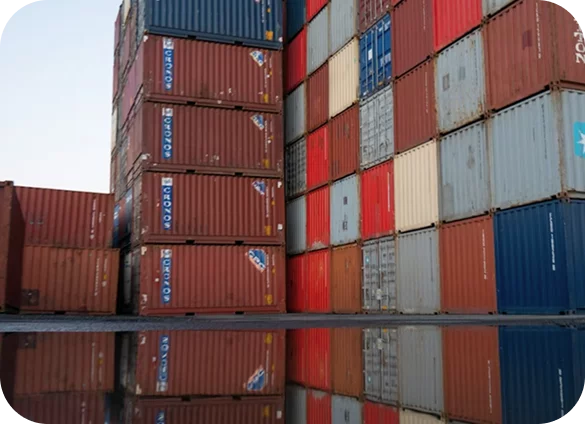
Features of Hong Kong Re-Export Trade
| Feature | Details (from Hong Kong’s Trade and Industry Department) |
|---|---|
| Free port | Free trade policy with no trade barriers |
| Tariffs | No tariffs on imports or exports |
| Licenses | Required for some goods, to meet international obligations or protect public health and safety |
| Separate customs territory | Free port and separate customs territory status maintained under the Basic Law |
| Re-export role | In 2025, re-exports to or from the mainland were 82.4% of total re-exports |
How Re-Export Trade Works
In re-export (entrepot) trade, goods are first shipped to an intermediate location, where a local trader takes ownership before exporting them to the consuming country; see What Is Entrepot Trade? Hong Kong’s port, shipping network and financial services let traders consolidate, repack and settle there before distributing to other markets.
Does Triangular Trade Have to Go Through Hong Kong?
No. In triangular trade, goods often ship directly from a third-country supplier to the buyer, and the company taking the order can be anywhere; nothing needs to physically pass through Hong Kong. Whether to re-export through Hong Kong should depend on logistics needs (consolidation, repacking, transshipment), not on documents or tax alone; see What Is Triangular Trade?
Compliance Essentials
- Origin does not change: goods re-exported through Hong Kong keep the origin of the country where they were actually made; relabeling origin is illegal.
- Destination rules: prepare documents according to the destination country’s origin and import rules.
- Licenses: some goods entering or leaving Hong Kong need licenses under Trade and Industry Department rules.
- Consistent documents: invoices, bills of lading and certificates of origin must match the actual goods.
How Tang Sugar Can Help
Tang Sugar’s triangular and multilateral trade service plans logistics and payment routes based on product characteristics, assesses whether re-export or direct shipment is needed, and keeps logistics, payments and documents consistent and verifiable. Contact us.
FAQ
Does Hong Kong charge import duty?
According to Hong Kong’s Trade and Industry Department, Hong Kong is a free port and charges no tariffs on imports or exports, though some goods still need licenses.
How large is Hong Kong’s re-export trade?
According to the Trade and Industry Department, re-exports through Hong Kong to or from mainland China were worth HK$4,265.3 billion in 2025, 82.4% of total re-exports.
Can goods re-exported through Hong Kong change their origin?
No. Re-export does not change origin, and origin marking and documents must be truthful.
Do I need a Hong Kong company for triangular trade?
Not necessarily. The company taking the order can be anywhere, and goods often ship directly from a third country; whether to route through Hong Kong depends on logistics needs.
Further Reading
Sources
- Trade and Industry Department, Hong Kong: Hong Kong’s Trade Policy
- Trade and Industry Department, Hong Kong: Hong Kong – Mainland Trade Relations

