

Quick Answer
Grass jelly is made from the dried stems and leaves of Chinese mesona (Platostoma palustre, a plant in the mint family). According to English Wikipedia, aged, slightly oxidized stems and leaves are boiled for several hours with potassium carbonate and a little starch, then cooled into a dark brown to black jelly. In Taiwan, grass jelly is used in shaved ice and bubble milk tea, and it is also heated into hot grass jelly served with taro balls and red beans.
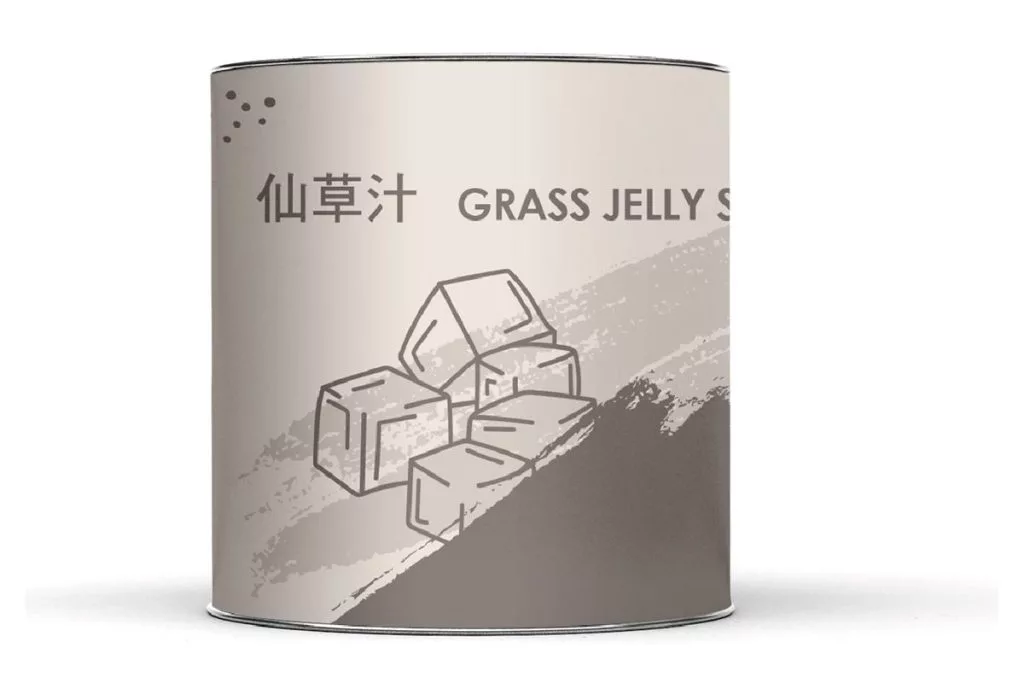
How Is Grass Jelly Made?
Summarized from the English Wikipedia article “Grass jelly”:
| Step | Details |
|---|---|
| Raw material | Aged, slightly oxidized dried mesona stems and leaves |
| Boiling | Boiled for several hours with potassium carbonate and a little starch |
| Cooling | Sets into a dark brown to black jelly |
Boiling it in store takes time and labor, so many shops use grass jelly drink base with a setting agent, or mix grass jelly powder at the stated ratio. Follow the product package for exact ratios.
How Grass Jelly Is Used in Bubble Tea
| Drink | How it’s made |
|---|---|
| Grass jelly milk tea | Milk tea with diced grass jelly |
| Grass jelly fresh milk | Fresh milk with grass jelly, optionally brown sugar syrup |
| Hot grass jelly | Grass jelly base heated and thickened, topped with taro balls, red beans, peanuts and more |
| Grass jelly shaved ice | Shaved ice with grass jelly base or cubes |
Wikipedia also notes that in Taiwan grass jelly is heated into a pudding-like dessert with taro balls and red beans, while in Guangdong and Hong Kong it is often served with mango, sago, fruit and condensed milk.
Grass Jelly Drink Base vs Grass Jelly Powder
| Option | Advantage | Best for |
|---|---|---|
| Grass jelly drink base (canned) | Use directly or heat; rich flavor | Hot grass jelly, grass jelly shaved ice |
| Grass jelly powder | Mix into jelly at the stated ratio; easy to store | Diced grass jelly, grass jelly milk tea |
Tang Sugar Grass Jelly Products
Tang Sugar supplies canned grass jelly drink base (3 kg cans, 6 cans per carton) and grass jelly powder (1 kg bags), plus taro balls and canned red beans for hot grass jelly. See all products or request samples.
FAQ
What plant is grass jelly made from?
Grass jelly is made from Chinese mesona (Platostoma palustre), a plant in the mint family; its dried stems and leaves are boiled into jelly.
How is grass jelly made?
According to English Wikipedia, aged, slightly oxidized mesona stems and leaves are boiled for several hours with potassium carbonate and a little starch, then cooled until set.
What drinks can you add grass jelly to?
Popular options are grass jelly milk tea and grass jelly fresh milk, and in winter, hot grass jelly.
What does grass jelly taste like?
Grass jelly has a mild, slightly herbal and bitter taste, so it is usually served with sugar syrup, brown sugar or milk.
Where can I buy grass jelly drink base or powder?
Bubble tea and dessert shops usually buy canned grass jelly drink base or grass jelly powder wholesale, which saves time compared with boiling dried mesona. Tang Sugar supplies canned grass jelly base (3 kg cans) and grass jelly powder (1 kg bags); see all products or request samples.
What is the difference between grass jelly and Taiwanese herbal tea?
Grass jelly comes from a single plant (Mesona / Platostoma), which can be boiled into a drink or set with starch into jelly. Taiwanese herbal tea (qingcao cha) is a cooling tea made by boiling several herbs together; recipes vary by shop, and the grass jelly plant may be only one of the herbs.
What is the difference between grass jelly and guilinggao (turtle jelly)?
Grass jelly is made by boiling the grass jelly plant and setting the liquid with starch. Guilinggao was traditionally made from turtle shell and herbs such as smilax root; most products today are made from herbal powders, and recipes vary by manufacturer. They look similar but differ in ingredients and flavor, so check the ingredient label.
Further Reading
- How to Cook Taro Balls
- What Is Aiyu Jelly?
- What Is Brown Sugar Syrup?
- How to Make Mochi and Glutinous Rice Balls
Sources
- Wikipedia: Grass jelly
- Tang Sugar product list (March 2026 edition)

