

Quick Answer
Bubble tea shops mostly use two plastic cup materials: PP (polypropylene) and PET (polyethylene terephthalate). The number in the triangle on the cup base is the Resin Identification Code: PET is 1 and PP is 5. According to English Wikipedia, the code system was introduced by the US Society of the Plastics Industry in 1988 and is now administered by ASTM International; it identifies the material and does not mean the product is necessarily recyclable. When choosing cups, consider cold or hot use, sealing method (film or lid), clarity and rigidity, and cost.
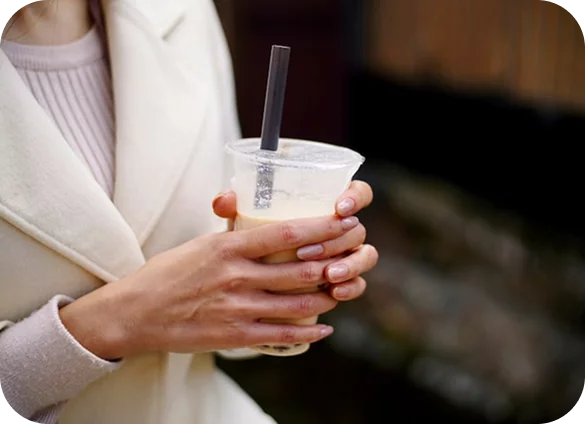
PP Cups vs PET Cups
| Comparison | PP cups | PET cups |
|---|---|---|
| Resin code | 5 | 1 |
| Common sealing | Sealing film or lid | Flat or dome lids |
| Appearance | Matte or translucent, depending on process | High clarity |
| Use | Per the supplier’s stated temperature and use | Per the supplier’s stated temperature and use |
Key point: whether a cup can hold hot drinks and what temperature it can take depend on the supplier’s stated specifications; don’t infer from the material alone.
5 Things to Check When Choosing Cups
- Cold or hot: check the stated heat resistance and intended use.
- Sealing: sealing film must be compatible with the cup material and sealing machine; see How to Choose a Cup Sealing Machine.
- Cup size: 16oz, 22oz and so on affect recipe dosages; see Bubble Tea Cup Sizes.
- Look and branding: clarity, cup printing, shapes such as U-shape cups.
- Regulations and environment: local plastic use and recycling rules; see PLA Straws, Paper Straws and Plastic Restrictions.
Tang Sugar’s Cups and Lids
| Item | Packing |
|---|---|
| 95PP 16oz clear cold cup | 2,000 per carton |
| 95PP 22oz clear cold cup | 1,000 per carton |
| 95PP 16oz clear U-shape cold cup | 1,000 per carton |
| 90PP 16oz and 22oz clear hard cold cups | 1,000 and 500 per carton |
| 95PET flat and dome lids (16–22oz) | 1,000 per carton |
| 90PP dual-use black dome lid, white hard lid | 1,000 per carton |
For specifications, contact us.
Products in this article
All 107 Food Packaging →
FAQ
What is the difference between PP and PET cups?
PP is polypropylene (resin code 5) and PET is polyethylene terephthalate (resin code 1); they may differ in clarity, sealing method and temperature range, so follow the supplier’s specifications.
What does the number on the bottom of a cup mean?
It’s the resin identification code, which identifies the plastic: PET is 1 and PP is 5. It doesn’t mean the product is necessarily recyclable.
Can bubble tea cups hold hot drinks?
Check the supplier’s stated heat resistance and intended use; don’t infer from the material alone.
How are PP cups sealed?
Usually with sealing film or a lid; the film must be compatible with the cup material and sealing machine.
Are PP cups recyclable?
The resin code (5 for PP) only identifies the material and doesn’t guarantee recyclability; it depends on local recycling rules.
How do I choose a bubble tea cup supplier?
First make sure the cup material (PP or PET), size and rim diameter match your sealing machine and lids, then compare custom printing options, minimum order quantity, lead time and local plastic regulations. Cups can be bought together with ingredients and shipped in one consolidated shipment: see cups, sealing film and custom printing.
Further Reading
- How to Choose a Cup Sealing Machine
- Bubble Tea Cup Sizes
- PLA Straws, Paper Straws and Plastic Restrictions
- Custom Printed Cups and Sealing Film
Sources
- Wikipedia: Resin identification code
- Tang Sugar product list (March 2026 edition)

