

Quick Answer
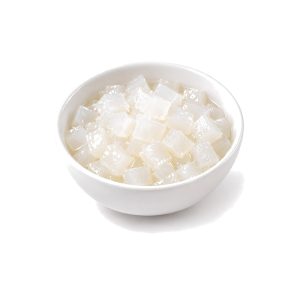
Nata de coco (coconut jelly) is made by fermenting coconut water: the bacterium Komagataeibacter xylinus produces bacterial cellulose in the coconut water, forming a translucent, chewy gel that is then washed, diced and sweetened. According to English Wikipedia, nata de coco was invented in the Philippines in 1949. It is different from agar boba and konjac jelly: it is made of cellulose, so it is crunchier and does not break down when cooked. It is widely used in fruit teas, milk teas and desserts.
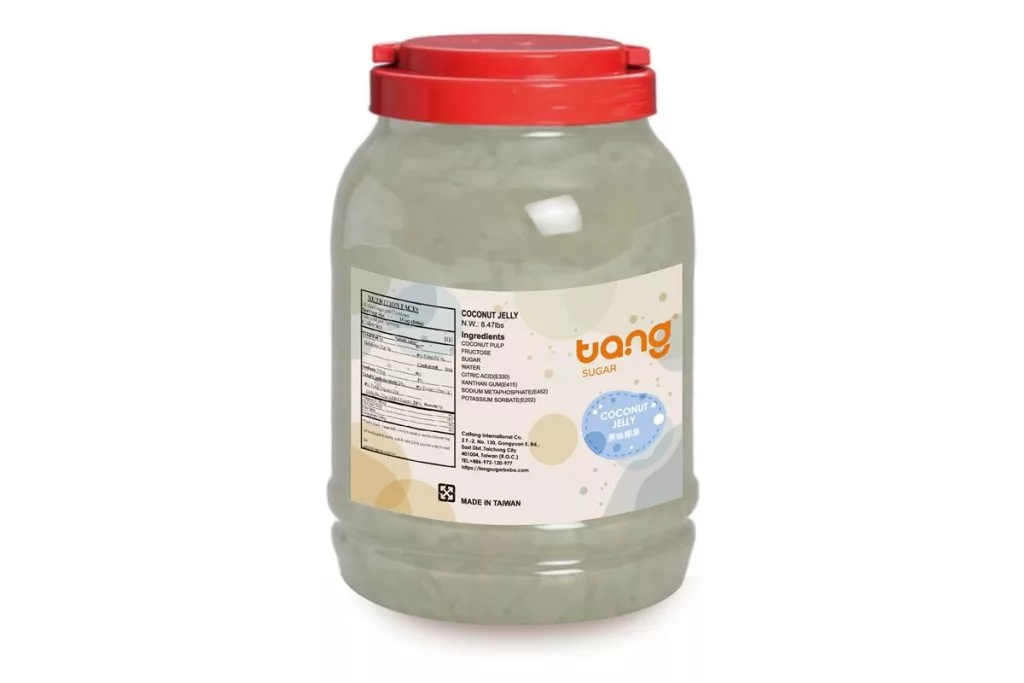
Nata de Coco Ingredients and Production Process
According to the English Wikipedia article “Nata de coco”, the process is roughly:
- Collect coconut water as the fermentation base.
- Inoculate and ferment: Komagataeibacter xylinus produces cellulose in the coconut water, and a gel layer gradually forms on the surface.
- Harvest the gel layer.
- Wash it to remove the acetic acid produced during fermentation.
- Dice and pack, usually in sugar syrup or flavored syrup.
Where Nata de Coco Comes From
Wikipedia records that nata de coco was invented in 1949 by Teódula Kalaw África in Ramon, Isabela, in the Philippines, as an alternative to the traditional fermented pineapple gel nata de piña. Commercial production began in 1954.
Nata de Coco vs Agar Boba vs Tapioca Pearls
| Topping | Main ingredient | Texture | Prep |
|---|---|---|---|
| Nata de coco | Cellulose from fermented coconut water | Crunchy, chewy | Ready to use |
| Agar boba | Agar, konjac and other gels | Crisp, springy, translucent | Ready to use |
| Tapioca pearls | Tapioca starch | Springy, chewy | Must be cooked |
For more topping comparisons, see Popping Boba vs Agar Boba vs Tapioca Pearls.
How Nata de Coco Is Used in Bubble Tea
- Fruit teas and yogurt drinks: its crunch pairs well with fruit flavors and fruit syrups.
- Milk tea: coconut jelly milk tea is a menu staple, lighter than tapioca pearls.
- Shaved ice and desserts: Wikipedia notes it is commonly used in fruit salads, ice cream, puddings and fruit cocktails.
- Faster service: nata de coco is ready to use and needs no cooking, which helps at peak hours.
Follow the product packaging for storage after opening and shelf life.
Tang Sugar Nata de Coco Products
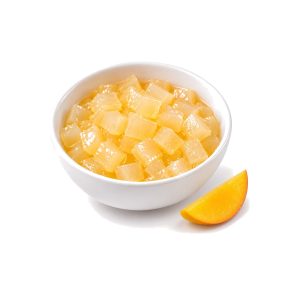
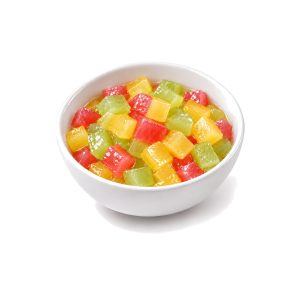
Tang Sugar’s nata de coco range includes original, green apple, lychee, passion fruit and mango nata de coco, rainbow agar jelly, strawberry heart nata de coco and mango star nata de coco, mainly in 3.85 kg cans. Browse our toppings and all products, or request samples.
Products in this article
All 20 Nata de Coco →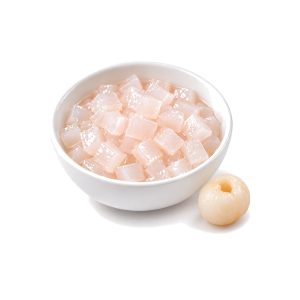
FAQ
What is nata de coco made of?
Nata de coco is a cellulose gel produced when coconut water is fermented by the bacterium Komagataeibacter xylinus. The gel is washed, diced and sweetened.
Where was nata de coco invented?
According to English Wikipedia, nata de coco was invented in the Philippines in 1949 and commercial production began in 1954.
Is nata de coco the same as agar boba?
No. Nata de coco is made of cellulose from fermentation and is crunchy and chewy; agar boba is made from gels such as agar and konjac and is crisp, springy and translucent.
Does nata de coco need to be cooked?
No. Nata de coco can usually be added to drinks straight from the pack; store it as directed on the package.
Is nata de coco the same as coconut jelly?
Yes. In bubble tea shops, “coconut jelly” usually means nata de coco.
Is nata de coco a starch?
No. Nata de coco is cellulose produced by bacteria fermenting coconut water, unlike tapioca pearls, which are made from tapioca starch.
How is nata de coco made?
Coconut water is fermented by Komagataeibacter xylinus, which produces a translucent bacterial cellulose gel. The gel is then washed, diced and sweetened. See the production process section above for each step.
Where can I buy nata de coco wholesale?
Bubble tea and dessert shops usually buy canned or bagged nata de coco wholesale from ingredient suppliers. Tang Sugar offers many flavors, mainly in 3.85 kg cans; see our toppings or request samples.
Further Reading
- Popping Boba vs Agar Boba vs Tapioca Pearls
- How Much Fruit Syrup to Use: 500 ml and 700 ml Dosage Chart
- What Is Mango Pomelo Sago? Origin and How Shops Make It
Sources
- Wikipedia: Nata de coco
- Tang Sugar product list (March 2026 edition)

