

Quick Answer
DDP (Delivered Duty Paid) is the rule among the 11 Incoterms 2020 rules that places the most responsibility on the seller: the seller must deliver the goods to the buyer’s named destination and handle export and import clearance and pay import duties and taxes; the buyer only unloads and receives the goods. It is the easiest option for the buyer, but the seller bears the destination country’s taxes and regulatory risk. If the seller cannot lawfully clear goods for import in the destination country, DDP is not suitable; use DAP (Delivered at Place, where the buyer handles import clearance and taxes) instead.
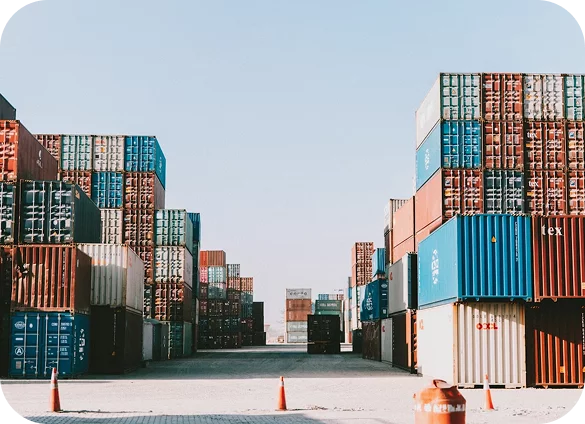
DDP Division of Responsibilities
| Item | Seller | Buyer |
|---|---|---|
| Export clearance | ✓ | |
| International freight | ✓ | |
| Delivery to the named destination | ✓ | |
| Import clearance | ✓ | |
| Import duties and taxes | ✓ | |
| Unloading at destination | ✓ (unless otherwise agreed) | |
| Risk transfer | To the buyer at the named destination, when the goods are ready for unloading |
DDP can be used for any mode of transport.
DDP vs DAP vs CIF
| Term | Freight | Import clearance and duty | Risk transfer |
|---|---|---|---|
| CIF | Seller pays to the destination port | Buyer | On board the vessel at the port of shipment |
| DAP | Seller pays to the destination | Buyer | At destination, ready for unloading |
| DDP | Seller pays to the destination | Seller | At destination, ready for unloading |
For CIF, see FOB vs CIF vs CFR.
DDP Risks for the Seller
- Importer of record: many countries require the importer of record to be locally registered; the seller may not be able to import in its own name.
- Uncertain taxes: duties, anti-dumping duties, import business tax or VAT may change; see What Is Anti-Dumping Duty?
- Regulations and inspections: food and similar goods must meet the destination’s registration, inspection and labeling rules, such as US FDA requirements; see Exporting Food to the US.
- Goods held at customs: if documents or inspections cause delays, storage costs and delay liability fall on the seller.
When Does DDP Make Sense?
- The seller has a branch, partner importer or reliable agent in the destination country who can import lawfully.
- The buyer is a small customer unfamiliar with importing who wants delivery to the door.
- The seller can accurately estimate destination taxes and price the risk into the quote.
When unsure, quote DAP first and help the buyer arrange an import agent if needed.
How Tang Sugar Can Help
Tang Sugar gives professional Incoterms advice that clearly divides transport risk and responsibility; cross-border deals can be combined with our triangular and multilateral trade service to plan logistics and payment flows. For the full transaction steps, see our trade process. Contact us.
FAQ
What does DDP mean?
Delivered Duty Paid: the seller delivers the goods to the buyer’s named place, clears them for import and pays import duties and taxes.
What is the difference between DDP and DAP?
In both, the seller delivers to the destination; under DDP the seller handles import clearance and duties, under DAP the buyer does.
When does risk pass to the buyer under DDP?
At the named destination, when the goods are placed at the buyer’s disposal on the arriving means of transport, ready for unloading.
When should you not use DDP?
When the seller cannot lawfully clear goods for import in the destination country or cannot manage its taxes and regulations; use DAP instead.
Further Reading
- FOB vs CIF vs CFR: What’s the Difference?
- How Is Import Duty Calculated?
- How to Import Bubble Tea Ingredients from Taiwan
Sources
- International Chamber of Commerce: Incoterms® 2020 checklist
- Tang Sugar: Trade Process

