

Quick Answer
An export agent service means a trading company handles exporting on behalf of a factory, brand or seller, which may include finding overseas buyers, quoting and contracting, arranging transport, export clearance, preparing export documents and collecting payment. There are two common models: (1) the agent helps export in the seller’s name (the seller remains the party to the sale); (2) the trading company buys outright from the factory and exports itself (the trading company is the exporter). Either way, exported goods must show the correct country of origin, and since 7 May 2025, Taiwan-made goods exported to the US must also carry a declaration of origin for goods exported to the United States.
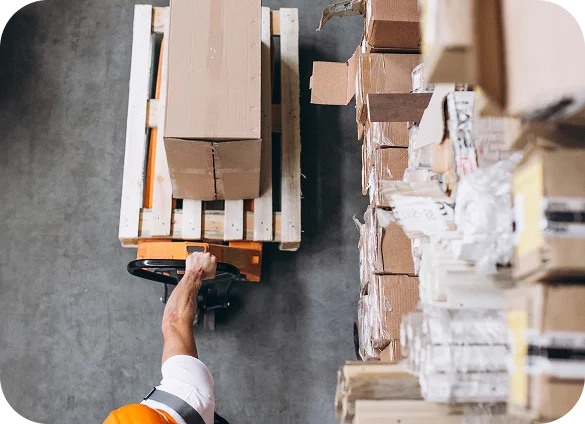
Two Models of Export Agency
| Comparison | Export in the seller’s name | Trading company buys and exports |
|---|---|---|
| Exporter | The seller (factory or brand) | The trading company |
| How the agent earns | Service fee or commission | Margin between buying and selling price |
| Who bears the risk | Mainly the seller | Mainly the trading company |
| Best for | Sellers who want to keep the customer relationship and only lack export capacity | Sellers who want to hand off export and payment risk |
Legally, the arrangement may be agency, brokerage or commission agency, which affects who is liable; see Trade Agent Legal Types Explained.
Who Should Use an Export Agent?
- Factories with competitive products but no foreign-language sales or trade staff
- Brands that want to test overseas markets without setting up an export department
- Companies with small, infrequent exports for which doing it in-house doesn’t pay
- Buyers who need someone to combine products from several factories into a consolidated shipment
Export Agency Process
- Product and market assessment: confirm demand, import regulations and labeling requirements in the target market.
- Quotation and trade terms: quote under Incoterms, such as FOB Keelung; see FOB vs CIF vs CFR.
- Contract and payment terms: T/T or letter of credit, and deposit percentage.
- Production and inspection.
- Booking and transport: FCL or LCL; see FCL vs LCL.
- Export clearance: handled by a customs broker; see What Is a Customs Broker?
- Document delivery: commercial invoice, packing list, bill of lading, certificate of origin and so on; see International Trade Documents Explained.
- Payment collection and after-sales.
Origin Rules Taiwanese Exports Must Follow
- According to Taiwan’s Ministry of Finance, export goods produced in Taiwan should be marked “Made in Republic of China”, “Made in Taiwan, Republic of China” or “Made in Taiwan” (or an equivalent in another language). Failure to comply or false marking can be fined NT$60,000 to NT$3,000,000 under Article 28 of the Foreign Trade Act.
- According to Central News Agency, since 7 May 2025, Taiwan-made goods exported to the US must be accompanied by a declaration of origin for goods exported to the United States.
- For how Taiwan origin is determined (substantial transformation), see How to Get a Certificate of Origin in Taiwan.
Tang Sugar’s Export Services
Tang Sugar is itself a Taiwanese exporter of bubble tea ingredients, familiar with export documents for food ingredients, FDA procedures and certification requirements such as Halal. We also offer international sourcing agent and triangular and multilateral trade services. If you want to sell Taiwanese products overseas, contact us.
FAQ
What is an export agent service?
A trading company handles exporting on behalf of a factory or seller, including finding overseas buyers, quoting and contracting, transport, export clearance, documents and payment collection.
What is the difference between an export agent and buying to export?
An export agent usually works in the seller’s name for a service fee or commission, with risk mainly on the seller; in a buy-to-export model, the trading company buys from the factory and exports itself, earning a margin and bearing the risk.
What declaration do Taiwanese exports to the US need?
Since 7 May 2025, Taiwan-made goods exported to the US must be accompanied by a declaration of origin for goods exported to the United States.
Must Taiwanese export goods be marked Made in Taiwan?
Export goods produced in Taiwan should be marked “Made in Taiwan” or an equivalent under the Foreign Trade Act rules; false or missing marking may be penalized.
Further Reading
- What Is an Import Agent Service?
- What Happens If You Use Transshipment to Evade Tariffs?
- Trader vs Agent vs Distributor
- China Sourcing Agent Guide
- What Is L/C Negotiation?
Sources
- Ministry of Finance, Taiwan: Export goods must be correctly marked with origin under the Foreign Trade Act (in Chinese)
- Central News Agency (2025-04-25): Taiwan-made exports to the US require a declaration from 7 May (in Chinese)
- Laws & Regulations Database of Taiwan: Civil Code

