

Quick Answer
Private label, as defined by English Wikipedia, means the company that sells a product owns the brand but outsources manufacturing to a third party; the most common form is the store brand of supermarkets and hypermarkets. For bubble tea brands, private label ingredients means having tapioca pearls, syrups, tea, powders and packaging made by a partner factory under your own brand and exclusive recipes. The benefits are brand recognition, recipe confidentiality and stable supply; the challenges are minimum order quantities, development time and inventory management.

Pros and Cons of Private Label
| Pros | Cons |
|---|---|
| Brand recognition and consistency | Usually minimum order quantities |
| Recipe confidentiality, harder to copy | Development and sampling time |
| Stable supply and specifications | Inventory and cash flow pressure |
| Standard ingredients for franchisees or distributors | You must confirm labeling and regulations |
Which Ingredients Suit Private Label?
| Ingredient | Customization |
|---|---|
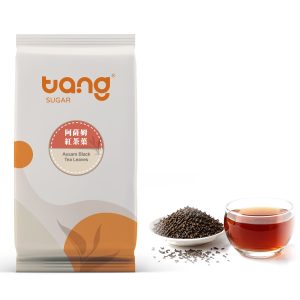
| Tea leaves | Exclusive blends, roast level |
| Fruit syrups | Exclusive flavor and sweetness |
| Milk tea and milk foam powders | Exclusive flavor |
| Tapioca pearls | Size, texture, color |
| Packaging | Branded cups, sealing film, straw wrappers |
Development Steps
- Define needs: items, flavor direction, target market, estimated volume.
- Sign a non-disclosure agreement (NDA): protect recipes and business information.
- Sample and test: several rounds to confirm taste and stability.
- Specifications and labeling: ingredients, nutrition, allergens and shelf life that meet target-market rules.
- Packaging design: brand visuals and packaging specifications.
- Pilot production and approval: confirm bulk production matches the samples.
- Full production and replenishment planning: schedule production and inventory from sales forecasts.
For OEM vs ODM, see OEM vs ODM vs OBM.
Tang Sugar’s Private Label Service
Tang Sugar’s product customization services cover bubble tea recipes and private label development, including pearls and toppings, syrups and flavors, tea bases and flavor systems, product specifications and regulatory labeling, and packaging and brand visual integration. NDAs can be signed during development. Contact us to discuss your needs.
Products in this article
All 488 Bubble Tea & Boba Ingredients →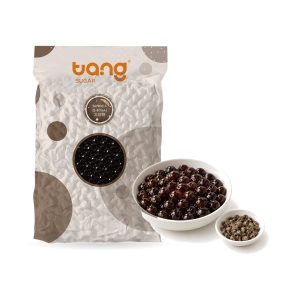
FAQ
What is private label?
Products whose brand is owned by the seller while manufacturing is outsourced to a third party, such as supermarket store brands.
Why should bubble tea brands develop private label ingredients?
To strengthen brand recognition, protect recipes and give franchise or distributor stores consistent ingredients.
What is the minimum order for private label bubble tea ingredients?
It depends on the item and factory; there is usually a minimum order quantity, so confirm it with the supplier before development.
Will my private label recipe be sold to others?
Agree recipe ownership and exclusivity in the contract and sign a non-disclosure agreement.
Further Reading
Sources
- Wikipedia: Private label
- Tang Sugar: Product Customization Services

